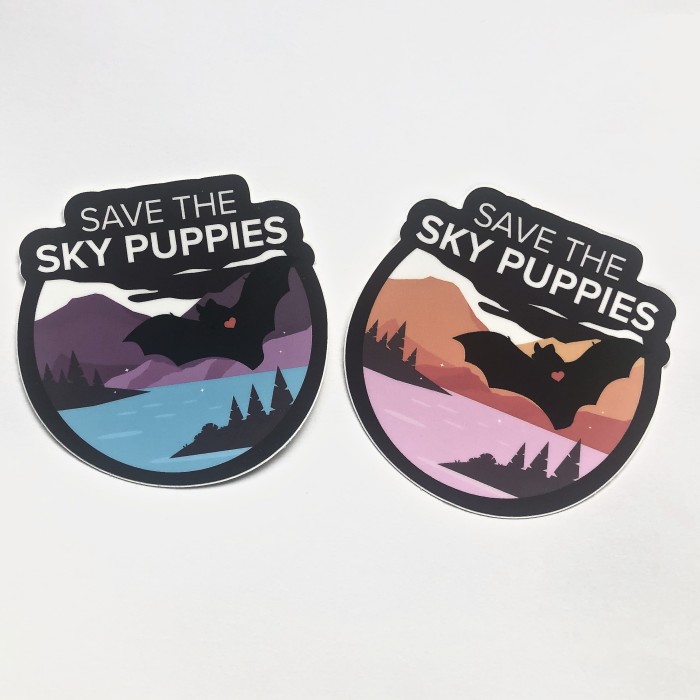
Visit Batgoods.com for an expanded selection of bat merchandise, where 5% of every sale can be donated to your choice from several bat conservation organizations.
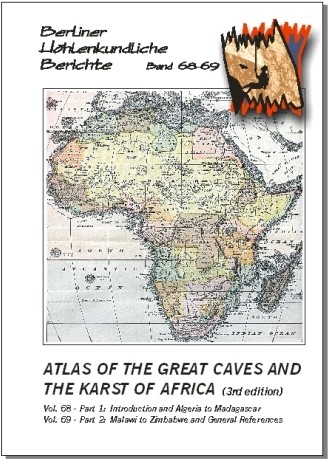
362 pages, zillions of cave descriptions, cave surveys and maps; Berlin 2017. The "Yellow Pages" of caving in Africa. New longest cave of Africa. Each country is presented in detail including maps (e.g. topography, geology and karst occurrences) as well as a description of the geological settings, the history of speleological exploration, a detailed list of the longest and deepest caves (incl. surveys), a list of useful addresses and an in-depth bibliography. Vol. 68 covers: Introduction and Algeria to Madagascar (184 p.). Vol. 69 covers: Malawi to Zimbabwe and General Ref's (178 p.). In English. With German & French abstracts in vol. 68.
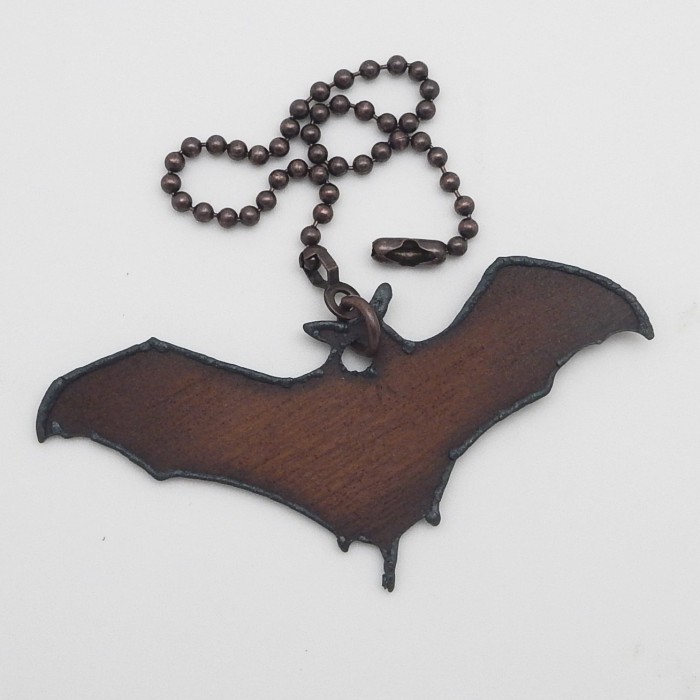
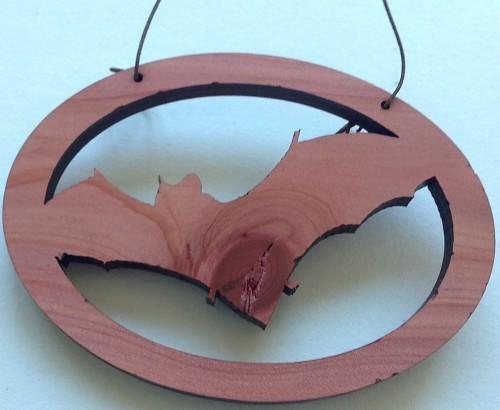
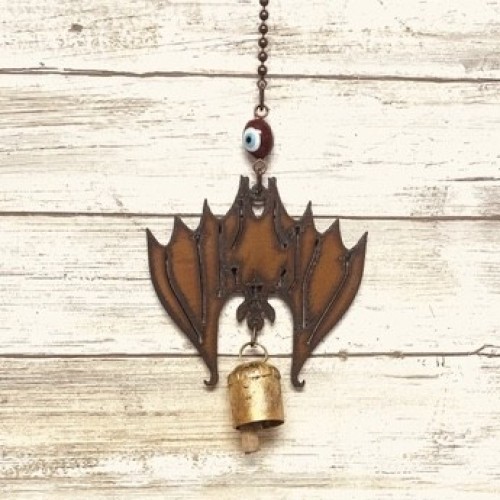
Bat outline in cut metal with smooth rust colored "rustic" finish. Three and three quarter inch wingspan. With a matching eight inch chain and connetor.
A set of 9 images on glossy five by seven inch note cards. Blank inside. Inconic images from various artists produced by Urs Widmer for Speleo Projects. Sold as 10 packs with nine images different cards plus one duplicate image. These do not come with envelopes. The cards take a standard A7 5 1/4 by 7 1/4 envelop.
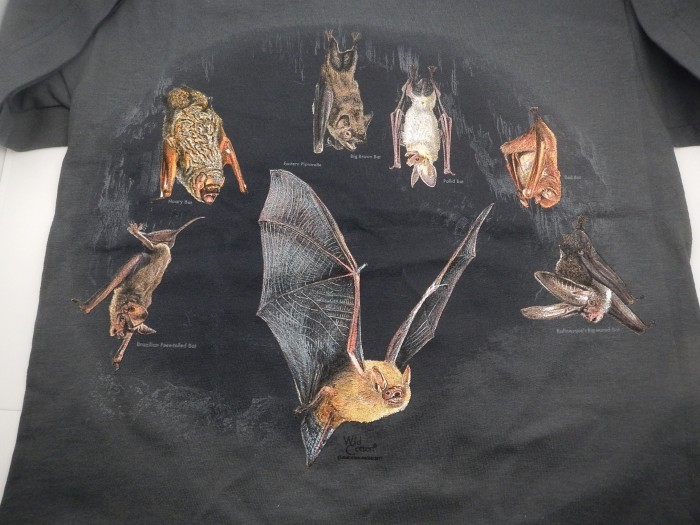
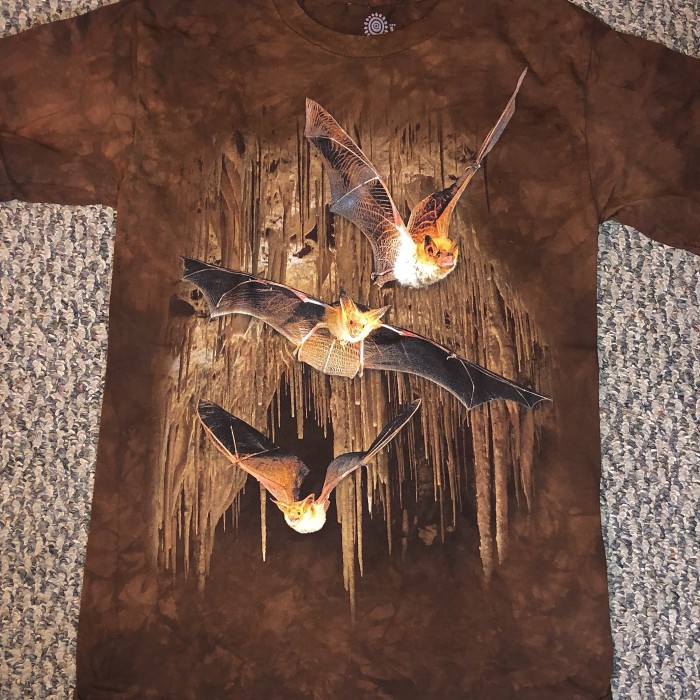
A high quality 100% cotton pre-shrunk t-shirt. Seven realistically illustrated, colorful North American bats together: Brazillian Free-tailed Bat, Hoary Bat, Eastern Pipistrelle (Tri-colored bat), Big Brown Bat, Pallid Bat, Red Bat and Rafinesque's Big-eared Bat.
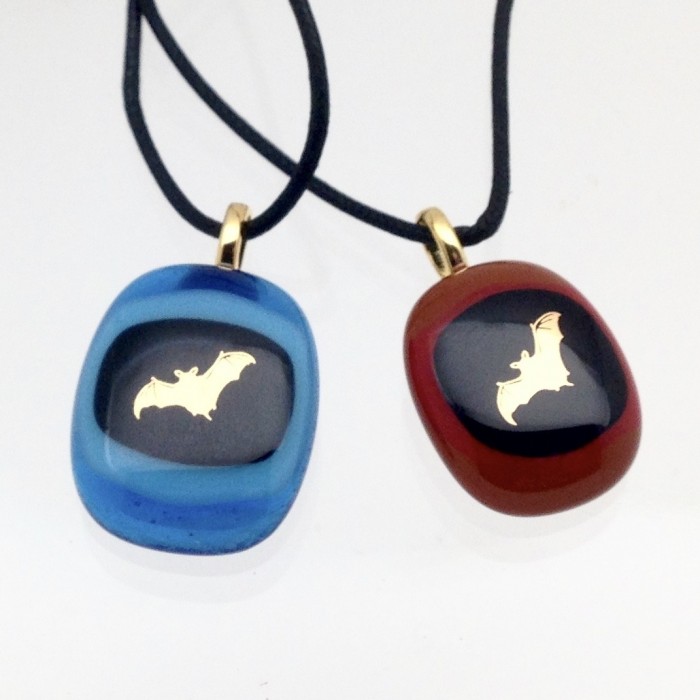
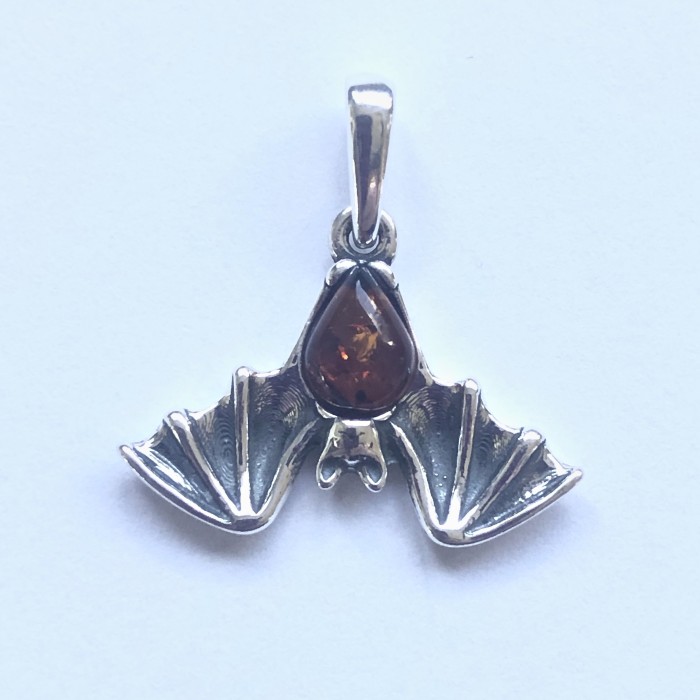
Each pendant is handmade using various colors of glass and feature a central bat set on a black background made of 22 karat gold. The cord lenth is approximately 18 inches and features a coordinated clasp. Offered in two basic glass colors, brown or blue. Each slightly different, some have other accent colors. Examples shown are typical but every pendant varies.
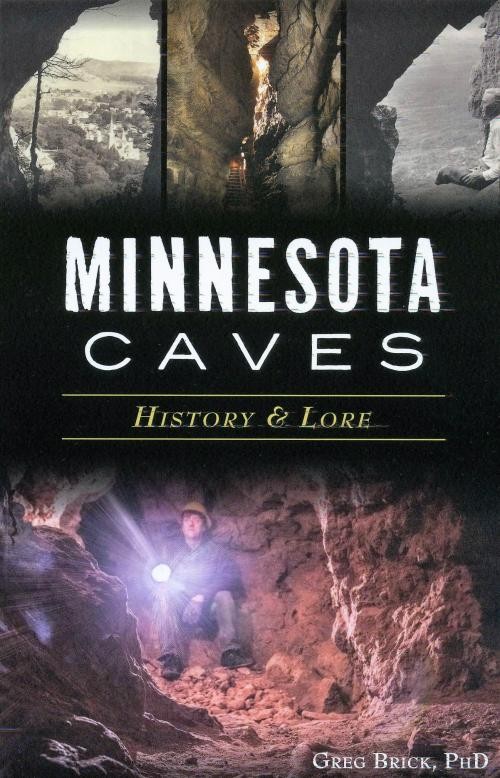
Minnesota's caves have a deep history. Carver's Cave is the first to be described in the literature of North America after explorer Jonathan Carver visited it in 1766. The storied Fountain Cave was the birthplace of the city of St Paul.
Just after the American Civil War, Chute's Cave inspired an elaborate hoax regarding an ancient civilization. Folklore surrounds Petrified Indian Cave, where a strangely shaped stalagmite was mistaken for a person turned to stone. Geologist Greg Brick, PhD, uses decades of research to uncover the secrets of geological wonders. 145PP & BW images.
By John Benton, Bill Napper, Bob Thompson. 202 black And white images. 128pp. Sb. Collins was a Kentucky cave explorer who was trapped for more than two weeks during the winter of 1925 in a cave located within the boundaries of what is now Mammoth Cave National Park. Collins had no fear of exploring the most difficult cave passages, and few people could match his persistence and endurance. The story of Floyd Collins becoming trapped, then buried alive, and ultimately dying alone in a cave held a powerful grip on the hearts and minds of people the world over. The resulting media coverage put Mammoth Cave on the map and helped usher the actual designation of Mammoth Cave as a national park.
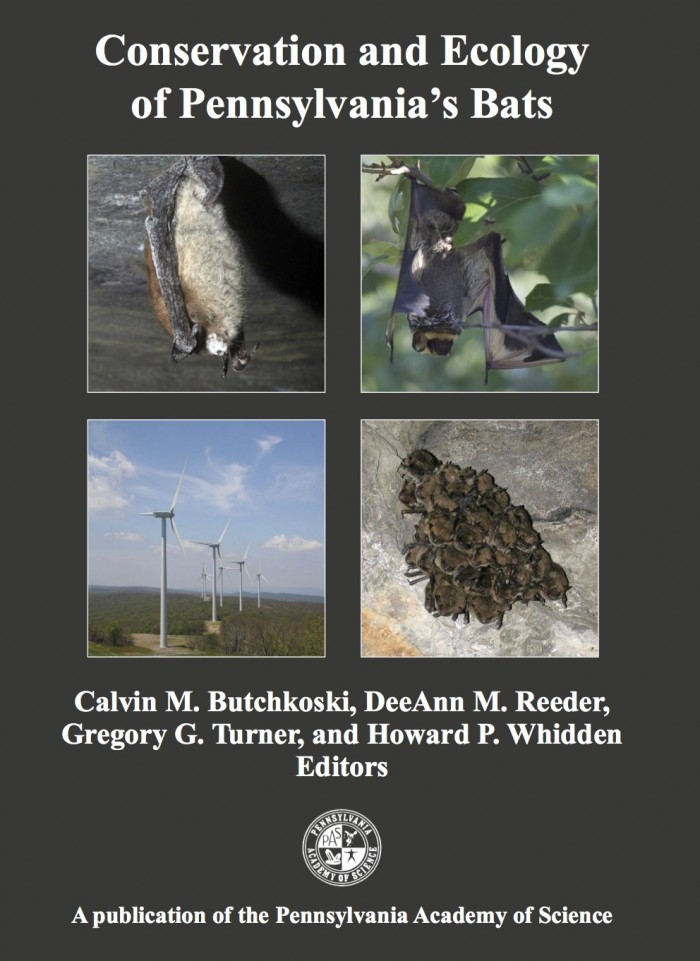
Edited by: Howard P. Whidden (East Stroudsburg University), DeeAnn Reeder (Bucknell University), with Cal Butchkoski and Greg Turner (Pennsylvania Game Commission). Pennsylvania has long been an active center of research on bats, and in recent years Pennsylvania biologists have played leading roles in responding to the emergence of wind turbinesand White-nose Syndrome as major new threats to bats. This volume takes stock of the status of Pennsylvania's bats at a time of conservation crisis. Chapters in the book describe the natural history of Pennsylvania's bats, the history of bat research in the state, summarize long-term data on the state's bats, assess the recent impacts of wind turbines and White-nose Syndrome on the state's bats, and provide guidelines for future conservation efforts aimed at protecting and managing the state's bats. A compilation of work worth reviewing and having for reference in many areas outside Pennsylvania with similar species of bats and common issues related to the bats conservation and ecology covered. If one or more of these guides are ordered alone, total shipping charge will be $3.50. Quoted shipping (as shown on your shopping cart) will apply if combined with other goods. Otherwise, the actual shipping charge made to your card will be reduced when your order is filled and charged.
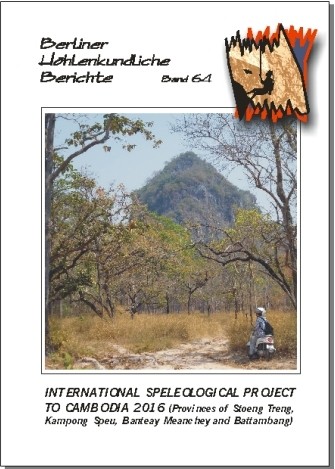
97 pp., colour photo tables, many maps & surveys; Berlin 2016. The first systematic speleological investigations in the Cambodian provinces of Stoeng Treng, Banteay Meanchey and Kampong Speu. Also describes 2 caves from a briefly visited new caving area in NE Battambang near the Thai border. Seventy-four new caves and one presumably old rock-art site (altogether 4.6 km of cave passages) are presented in detail. Includes an up-to-date article on cave bat conservation in Cambodia. In English with a German and a French abstract.
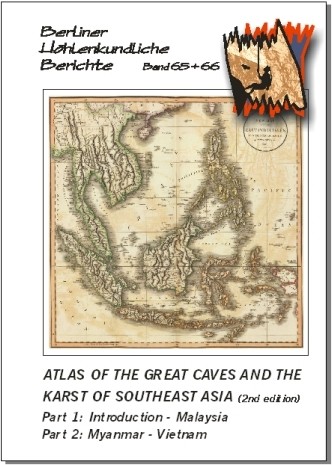
By Michael Laumanns & Liz Price. 335 pages, hundreds of cave descriptions, cave surveys and maps; Berlin 2016.
The "Yellow Pages" of caving in SE Asia. Each country is presented in detail including topographic and karst occurrence maps as well as a description of the geological settings, the history of speleological exploration, a detailed list of the longest and deepest caves (incl. surveys), a list of useful addresses and an in-depth bibliography. Hundreds of cave surveys and cave descriptions. Some countries also have maps showing the administrative divisions and other relevant thematic maps. Vol. 65 covers: Introduction & Brunei-Malaysia (168 p.). Vol. 66 covers: Myanmar-Vietnam (167 p.). In English. With German and French abstracts.
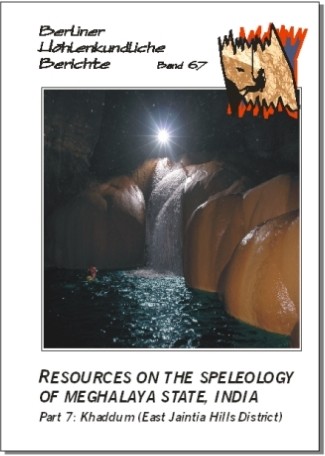
BY Herbert Daniel Gebauer. 102 pp., colour photo tables and maps, many surveys; Berlin 2017.
Sixty-one caves are presented in this volume in detail, including Pielkhlieng Pouk which was so far surveyed to a length of 9,660 m and explored to over 12.6 km. Many of these caves are not fully explored yet. Twenty-seven caves not yet visited are mentioned, emphasizing the cave potential in the Khaddum area for future explorers. In English language.
This bilingual scientific monograph with many illustrations presents the Velika Pasica cave, located on the outskirts of the Gornji Ig village on the Krim massif, around 20 km south of Ljubljana, Slovenia. The book presents ecological, taxonomical and biodiversity studies, as well as morphological and historical facts referring to the cave. The cave is small for Slovenian standards, as it is only 105 metres long. On the basis of the specimens collected in the cave, 13 new species from terrestrial and aquatic habitats have been described so far. A considerable number, even on the global scale. The cave was first renowned for the rare cave-dwelling beetles, snails as well as other species. In 2000, a rich community of aquatic animals was discovered, which were not expected to be present there. Since 2006, there have been regular measurements of ecological parameters as well as sampling of fauna from four permanent drips. Fauna was washed-out from a thin layer of dolomite, from which the cave roof consists. The measurements include water and air temperature as well as discharge, measured in one hour intervals. Furthermore, 88 analyses of drip water and an equal number of fauna sampling were conducted. The measurements in the cave were being conducted simultaneously with the measurements of the meteorological parameters on the surface, in the immediate vicinity of the cave entrance.The first book with the subtitle Water contains selected directly applicable research studies on karst waters, their characteristics, endangerment, and protection. It is composed of ten chapters, which can be grouped into three main themes. In the introduction the importance, characteristics and vulnerability of karst aquifers are presented,then various case studies of pollution and endangerment are described (traffic, landfills, military objects, flooding), and at the end some guidelines for the protection of karst water sources are summarized. The book is a bilingual publication in Slovene and English. It is aimed at a broad circle of users, researchers, students and planners.
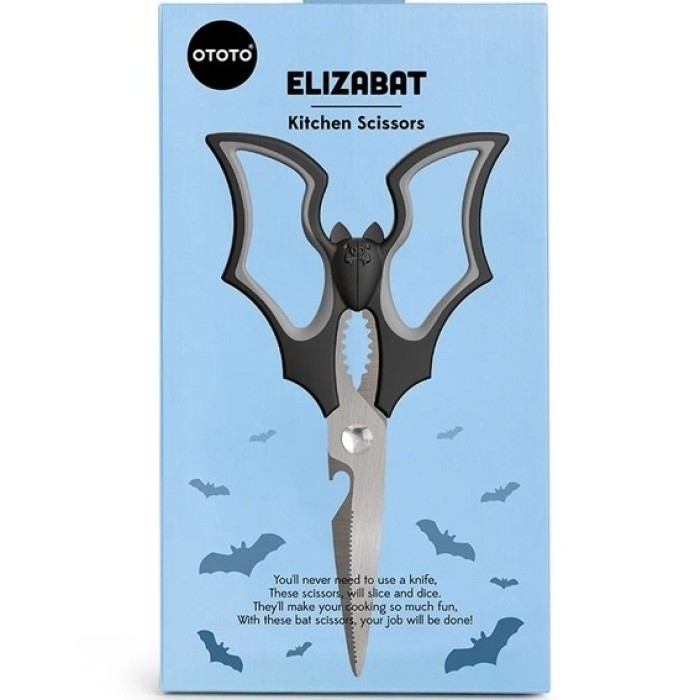
Meet Elizabat, the Bat Kitchen Scissors - The bat wing handles add a touch of whimsy to your culinary adventures while delivering precise and effortless cutting power.
Precision at Your Fingertips - Slice through ingredients like a seasoned chef with these high-quality kitchen shears. Designed with stainless steel blades, our kitchen scissors provide the perfect balance of sharpness and finesse, ensuring every cut is perfecto! The Culinary Multitasker - These versatile food scissors are the ultimate kitchen sidekick. From tackling tough meats to swiftly chopping veggies and herbs, they're the secret kitchen utensils that empower you to conquer any recipe with ease.
Handle with Ease - Experience cooking bliss with ergonomically designed utility scissors that fit comfortably in your hand. The thoughtfully crafted handles of our cooking scissors offer a firm grip and effortless control.
good knowledge of the natural and cultural heritage of karst is a precondition for the rational planning of life on it. We try to organize the knowledge to make it as useful as possible for planners. We are involved in individual projects related to the regional planning, water supply systems, the construction of transportation infrastructure, the closure of landfills in karst areas, the collection of data on karst caves and their protection, karst ecology and determining the extent of human influence on the karst underground. A new book series Karstology and development challenges on karst was designed to present the results of completed and new projects to a broader public. The first book with the subtitle Water contains selected directly applicable research studies on karst waters, their characteristics, endangerment, and protection. It is composed of ten chapters, which can be grouped into three main themes. In the introduction the importance, characteristics and vulnerability of karst aquifers are presented,then various case studies of pollution and endangerment are described (traffic, landfills, military objects, flooding), and at the end some guidelines for the protection of karst water sources are summarized. The book is a bilingual publication in Slovene and English. It is aimed at a broad circle of users, researchers, students and planners.
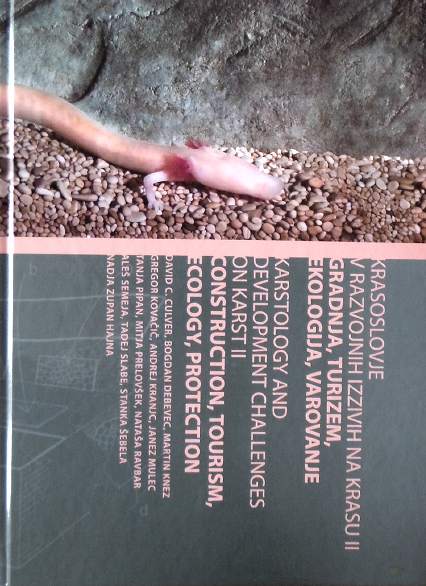
Karstology in Development Challenges in the Karst brings together the findings obtained in planning and construction of motorways in the Karst. More than 350 new caves were opened up in the final wave of construction. This was followed by studies on arranging karstic features for tourism and their management. We also selected studies on karstic ecology, in which we made use of biological and microbiological research. At the end there is a summary of everything we need to take into account in planning different encroachments in karstic areas. In English and Slovenian. By David C. Culver, Bogdan Debevec, Martin Knez, Gregor Kovacic, Andrej Kranjc, Janez Mulec, Tanja Pipan, Mitja Prelovsek, Natasa Ravbar, Ales Semeja, Tadej Slabe, Stanka Sebela, Nadja Zupan Hajna, Gregor Kovacic. 2011. 199 pages.
A limited supply of autographed copies are available.
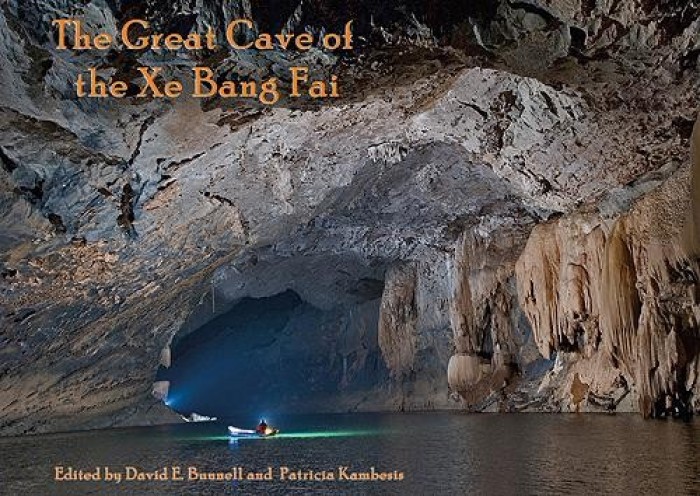
The Xe Bang Fai River courses 6.4 kilometers through one of the world's largest and most beautiful river caves. In 2008, an international group of cavers surveyed and photographed the cave to the high standards presented in this photo-rich, full color book. Follow-up trips brought the cave's length to 16 km. Chapters by various authors highlight the history, geology, wildlife, and local culture of the cave and the Hin Nam No National Protected Area that surrounds it. Edited by David E. Bunnell and Patricia Kambesis. Copyright NSS, 2016. Hardbound,128 pages in color.
Published in celebration of the NSS' 75th Anniversary, Diamond Jubilee of the National Speleological Society is a hardbound, 291 page, historical book covering highlights from our past 75 years. The publication includes sections on national, regional, and grotto events, in addition to extensive chapters on science and technology, as well as hundreds of historical photos. Edited by Paul Damon, Sr, 2016.
112 pp.; Rafael Camargo, Joel Despain & Michael Laumanns. Berlin 2016. Mindanao (Sultanat Kudarat) and Luzon (Kalinga and Cagayan-Sta. Teresita). Presents the results yielded by two expeditions who targeted previously untouched caving areas in the Philippines: the mountainous karsts of Sultanat Kudarat and Kalinga provinces as well as the coastal cone karst of Sta. Teresita. Sixty-nine caves with a total of about 12.5 km of passages are described in detail. Includes area maps and an in-depth chapter on the biospeleology of Luzon Island. In English.
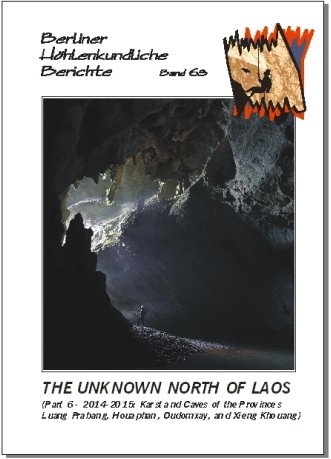
M. Laumanns (Ed.): The Unknown North of Laos. (Part 6 - 2014-2015: Karst and Caves of the Provinces Luang Prabang, Houaphan, Oudomxay and Xieng Khouang). 115 pp., colour photo tables, many maps & surveys; Berlin 2016. This volume presents the results of the 2014 and 2015 international expeditions to Northern Laos and describes a total of 23 km of passages from 70 caves. Includes the Tham Houay Ngot-Pang Ngoy System (3,620 m long) and Tham Lo (2,103 m), both in Houaphan, as well as Tham Nam Lod (1,796 m long) from Luang Prabang province. In English with German and French abstracts.
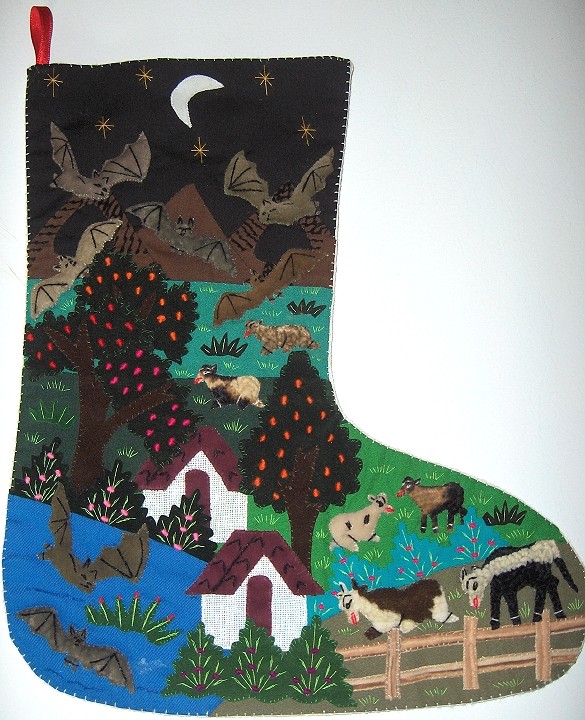
A beautifully hand crafted holiday stocking hand made in the mountains of Peru. Depicts a farm scene with cows, a house, caves and bats with mountains in the distance. Fair trade goods made employing local artisans in traditional designs, made exclusively for Speleobooks. Twelve by eight inches. Suitable for wall hanging or holiday display.
Herbert Daniel Gebauer. 300 pp., colour photo tables, colour area maps and many surveys; Berlin 2015
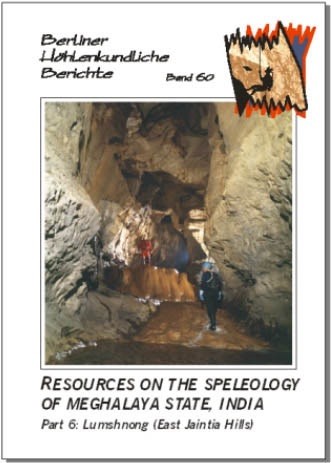
An enormous collection of cave descriptions, cave surveys, location maps and references on this major caving area in Meghalya. Descibes 222 underground sites, including Krem Kosati (18,871 m), Synrang Pamiang (14,113 m), and Krem Umsynrang (5,573 m). Also features the first image ever published from the Cloud of the Abodes!! In English.
Francois Brouquisse, Louis Deharveng & Michael Laumanns. 208 pp., colour photo tables, numerous area maps and cave surveys; Berlin 2015.
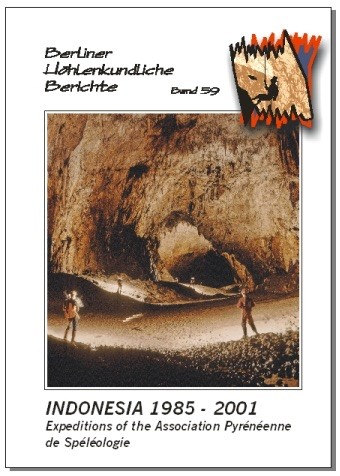
Expedition-style speleological exploration of Indonesia was started on Sumatra in 1977 by a Spanish team from the GESM Barcelona, when they visited western Sumatra. However, most knowledge on the karst of Indonesia was gathered by the French "Association Pyreneenne de Speleologie (APS)", who started exploration in the Maros karst of Sulawesi in 1985 and returned to Indonesia on an almost annual basis until 2001 and visited many karst areas all over the archipelago, often together with Indonesian speleologists. They released excellent reports with many detailed cave surveys and in-depth biospeleological data, all of which are presented in this publication for the first time in English language. Extensive karstological data (morphology, hydrology, water chemistry, climatology...) were also gathered during those 15 years. These scientific results were included in the APS caving reports as well as in specialized publications. The longest caves known in Indonesia is Luwang Jaran (Java, Gunung Sewu) at 18,200 m. Many of the other long Indonesian caves were explored by APS, such as Gua Salukkan Kallang (Sulawesi Selatan, Maros, Kappang) at 12,263 m, Leang Assuloang at 10,400 m (Sulawesi Selatan, Maros, Pangkadjene), Gua Tanette (Sulawesi Selatan, Maros, Kappang) at 9,692 m, and Gua Batu Lubang (Halmahera) at 8,685 m. Also many of the deepest caves known in Indonesia were surveyed by APS. In English.
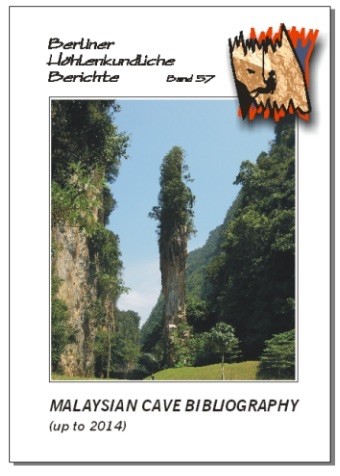
267 pp., colour photo tables; Berlin 2015. Edited by Liz Price. This bibliography covers the whole of Malaysia, i.e. Peninsula, Sabah and Sarawak, and contains almost 5,200 entries on Malaysian caves and karst, dating from the 1700s to 2014. In addition there is an extensive newspaper biblio covering 1953-2014. Other pages provide an introduction to Malaysian caves and history, and there is a map and glossary. An invaluable reference work for anyone interested in limestone caves and karst, archaeology, conservation, flora and fauna, geomorphology, geology, hydrology, history etc., as well as for the sporting caver who wants to learn more about Malaysian caves. In English.
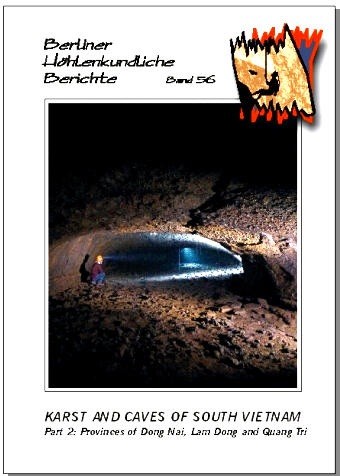
49 pp., colour photo tables, area maps and many surveys; Berlin 2014 The famous volcanic caves of Dong Nai province are presented in this volume in detail, including the new longest lava tube cave known in Southeast Asia. The 35 caves described have high biospeleological relevance. Furthermore five caves formed in granite boulder from the neighbouring Lam Dong province are included as well as a short note on caves in Quang Tri province. In English.
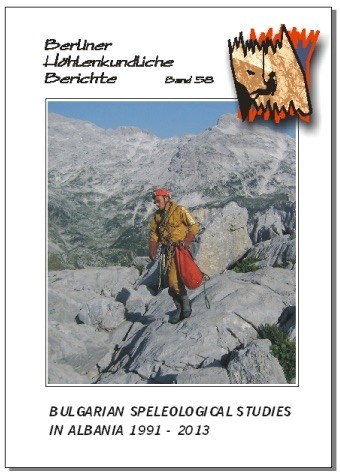
Alexey Zhalov (editor). 105 pp., numerous colour maps, cave surveys and photo tables; Berlin 2015 Beside scientific studies on the geosettings, tectonics, cave climatology, and biospeleology as well as an overview about the history of cave exploration in Albania this volume presents the 52 most important caves of the Albanian Alps. This includes the four deepest caves currently known in the country: Shpella BB-30 (-610 m), Shpella Ru (-580 m), Shpella e Celikokave (-505 m), and Maya Arapit Cave at 431 m (+363/-50 m). The volume also has extensive cave lists and an in-depth bibliography. In English.
Cavers to the Core / Horne Lake Hornpipe (4:28) - a reminder from the band that music isn't everything - we're serious cavers too!
Bangin' Bill (3:26) - a musical tribute to that controversial figure - the micro-blaster! Cave softly ....................................
The Caver's Prayer* (3:39) - you don't have to be religious to endorse this one!! What every caver really wants ...........................
The Ballad of Dangerous Dick** (4:00) - at last! Some "real" information about Dangerous Dick and his crazy crew! The Codgers Caving Club (3:46) - what do cavers do when they get old?!? Find out right here!!
The Cavernous Crawl (4:32) - one way of passing the dog-days of winter when the streamways and the caver's thirst both run high together! A "Shaw" Thing (3:30) - a tribute to our mate Pat Shaw, man of many talents! It's all true, folks - would we lie to you?!?
Karst Fever (4:21) - the album title track, and a grim warning about the dread disease to which all cavers are highly susceptible. Dangerous Dick knows the cure!!
The Parys Mountain Mine / Knocker's Reel (5:55) - a tribute to Dick's mine-exploring mates in the Parys Underground Group in Anglesey, North Wales.
Don'cha Meddle with The Mole! (3:32) - advice for the "call me when it goes" crowd who hate digging!
This Old Caving Helmet of Mine (5:57) - even hardened cavers wax sentimental on occasion ........................
Frozen at the Top of the Drop (3:39) - every rookie caver's worst nightmare!
The Caver's Alphabet (2:20) - forget the text-books! Here's caving from A to Z in one supremely silly song!!
Time ta Quit Cavin' when the Lights go Out (3:32) - some very sound (and quite loud!) advice from the band on the subject of caving safely!!
Cavers to the Core (reprise) / The Winds of Weymer (7:52) - thanks for listening, and a promise from the band.. we leave you with a serious musical tribute to one of our favourite caving areas.
All selections written by Adrian C. Duncan except * traditional, new lyrics by Adrian C. Duncan and ** written by Adam La Rusic and Adrian C. Duncan.
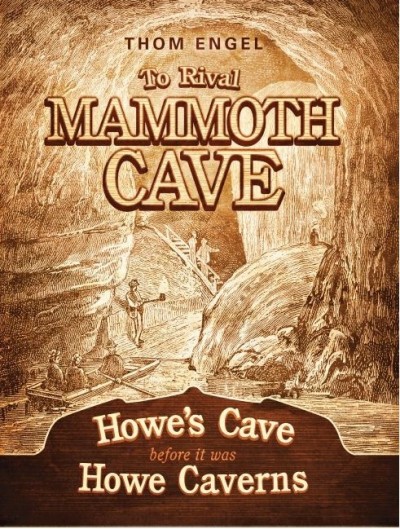
Before 1929 Howe Caverns was known as Howe’s Cave. Lester Howe discovered the cave on May 22, 1842. After digging open the entrance, he started giving tours. Those early tourists have left behind tales of their adventures underground. At times thrilling and even funny, these contemporary accounts along with current introductions and biographies give a history of the cave and the events of the times. Howe’s Cave was favorably compared to Mammoth Cave in Kentucky and many writers described it as rivaling it in size and grandeur. Thom Engel has unearthed these tales and descriptions and has brought them together in one place: To Rival Mammoth Cave. 254pp. Soft bound.
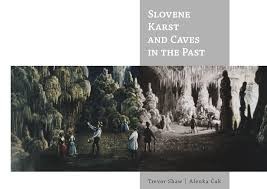
The caves and dramatic limestone scenery of the Slovene karst have attracted visitors for centuries. The great stalagmites and roaring underground rivers were seen by relatively few people at that time but many of them did record their experiences in diaries as well as in print. These are used in the book, which is a result of a long-time collaboration between an English historian of speleology and a Slovene historian, to describe what they saw and what they thought about it, with contemporary illustrations by contemporary artists and photographers. Modern tourism derives from the tours led by Thomas Cook who first came to Postojnska jama in 1868. Music in that cave has a very long history for dancing or concerts. This is only one example of the relation between caves and people as a constant theme in this book. Altogether the 39 chapters describe, for example, the problems facing all travellers in pre-railway days and point out that one of the very first women to explore difficult caves did so at Skocjan. Also touched upon is Darwin's interest in Slovene cave animals and a lot more.
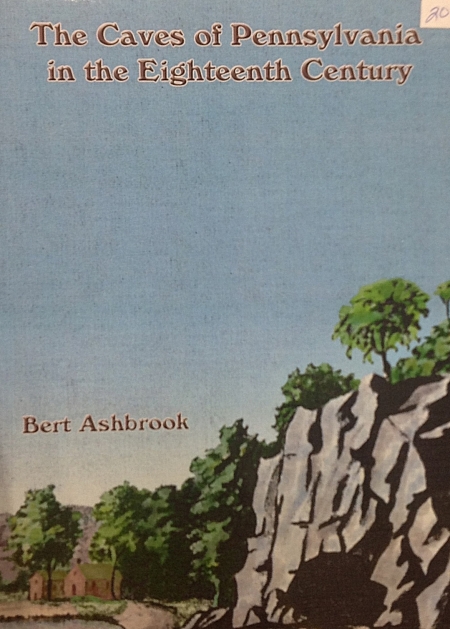
By Bert Ashbrook. 2013, 116 pages. Describes Pennsylvania cave references written during the 18th century, and about the people who recorded and wrote about those caves. Includes maps and engravings.
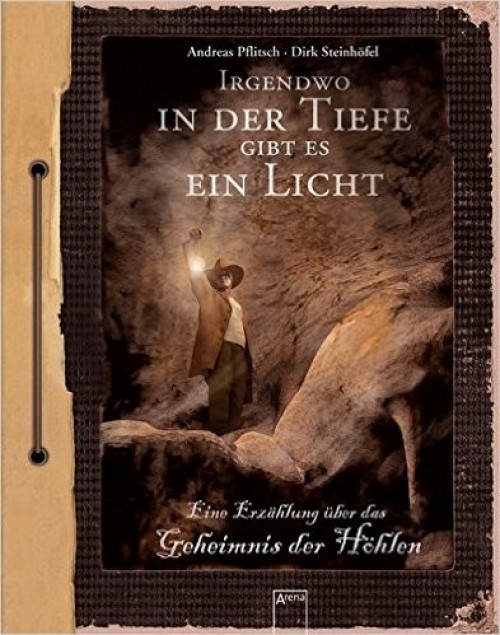
"Somewhere In The Depth There Exists A Light: A Story About The Secrets of Caves" By Andreas Pflitsch and Dirk Steinhofel. A 10 by 13 inch story book in German spectacularly and ingeniously illustrated with drawings, photographs and many other small details creating the look of a hand made scrapbook following the story of an underground scientific mystery deep in the chambers and halls of a mile long cave system. A fictional story about cave explorer Elias Hope, his special knowledge and a secret that he could never understand. For his great-grandchildren Jonas and Sophi a visit leads to a clear understanding..with their great-grand father they will solve the puzzle. HB, 2014, 49pp.
Die beiden Geschwister Jonas und Sophie besuchen ihren Urgrossvater Elias in den USA. Der kauzige alte Mann ist Hohlenforscher und weiss alles uber Hohlen: wie sie entstehen, warum Tropfsteine wachsen und welche Schatze die unterirdischen Welten bergen. Doch es gibt ein Phanomen, das Elias sein Leben lang nicht ergrunden konnte: Ein geheimnisvolles Licht, tief in einer Eishohle. Fur Jonas und Sophie ist klar - gemeinsam mit ihrem Urgrossvater werden sie das Ratsel der Eishohle losen. Die perfekte Mischung aus Abenteuer und Wissen liefern der Illustrator Dirk Steinhofel und der Hohlenforscher Andreas Pflitsch in diesem besonderen Sachbuch. Willkommen in den Tiefen der Erde!
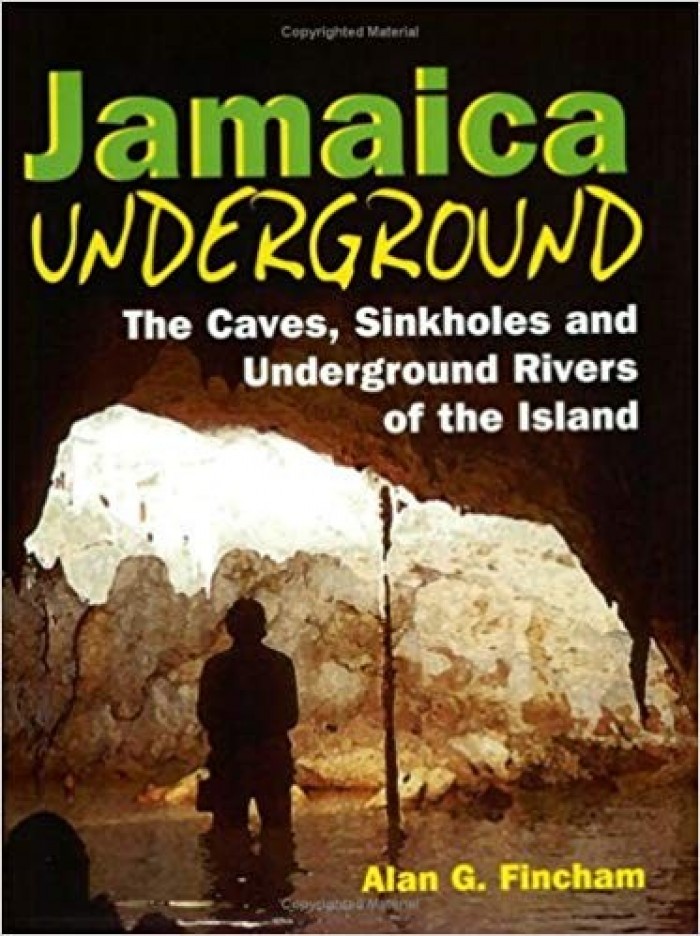
This title explores the underground caves, sinkholes and underground rivers of Jamaica. Alan Fincham Press University of the West Indies, 1997 - History - 447 pages. With specialist chapters contributed by: Grenville Draper, Ronald Read, Donald McFarlane, Ross MacPhee, Stuart Peck and Trevor Shaw.
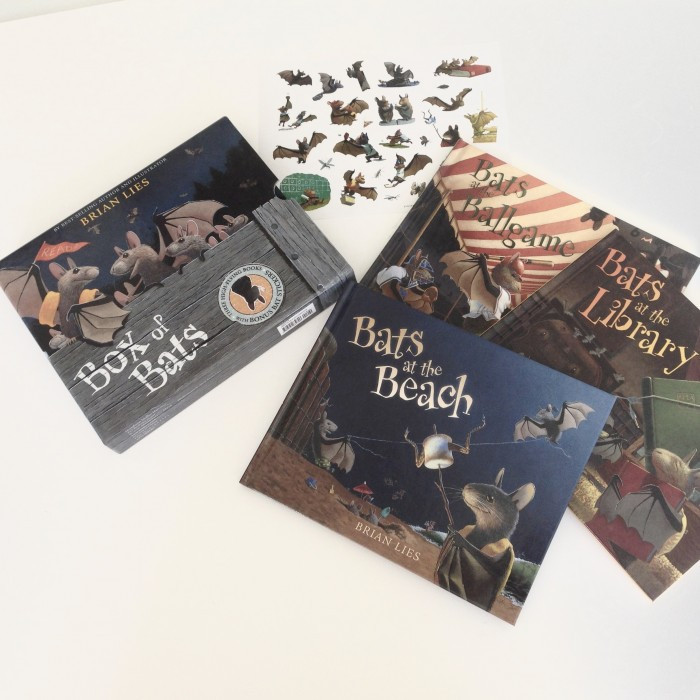
A beautiful box of New York Times best-selling Bats books. Includes three captivating stories about the nighttime exploits of a crew of nocturnal adventurers--Bats at the Beach, Bats at the Library, and Bats at the Ballgame. With gorgeous illustrations to pore over and lyrical, rhyming text to read aloud, these books are made for repeat performances. 6 1/2 by 8 1/2 inch hard bound books. Includes a sheet of stickers.
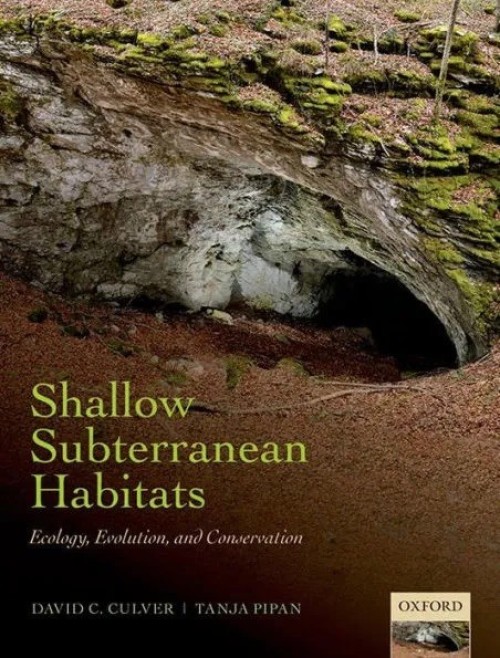
By Culver and Pippin. 2014, 288 PP. Hardcover. Shallow subterranean habitats (SSHs) are areas of habitable space that are less than 10 m in depth from the surface. These range from large areas such as shallow caves and lava tubes, to tiny areas such as cracks in ceilings, or spaces in soil. Whilst being very different in many ways, they are often bound together by shared characteristics of the habitats and their faunas, and their study can help us to understand subterranean habitats in general. This book concentrates on the more typical SSHs of intermediate size (seepage springs, spaces between rocks, cracks in lava etc.), describing the habitats, their fauna, and the ecological and evolutionary questions posed. Similarities and differences between the habitats are considered and discussed in a broader ecological and evolutionary context. The book is mainly aimed at students and researchers in the field of subterranean biology, but will also be of interest to a wider range of ecologists, evolutionary biologists, freshwater biologists, and conservationists. There will also be an audience of environmental professionals.
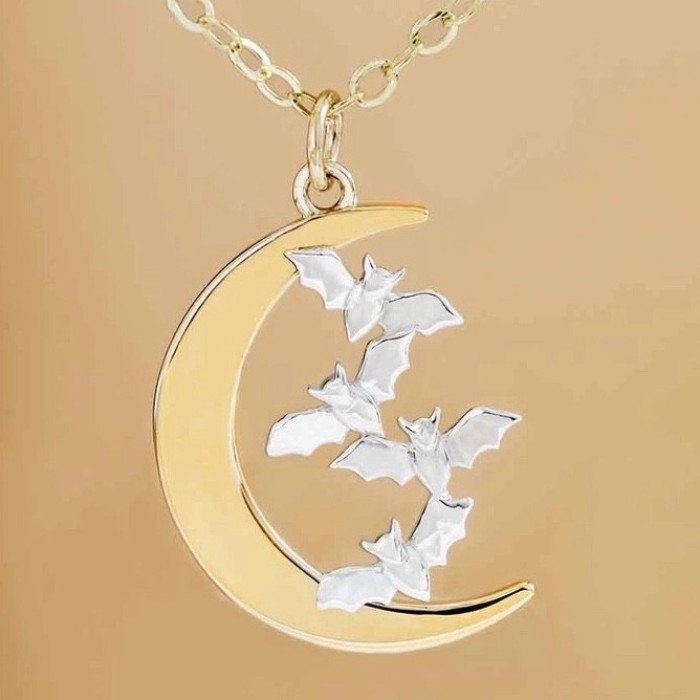
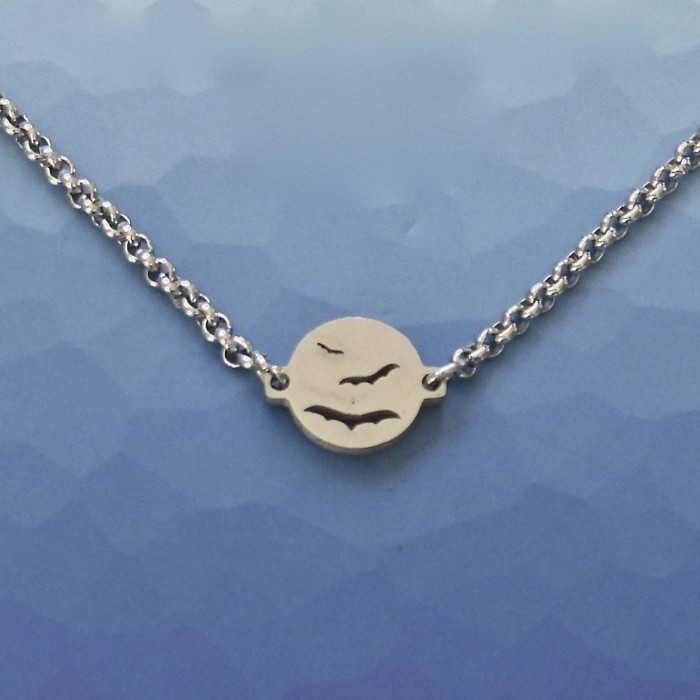
Two powerful symbols of intuition, wisdom, and sensitivity come together in this Bronze Moon Necklace with Bats on Gold Fill Chain. Due to their keen senses, bats symbolize intuition, dreams, and visions. The luminous bronze moon shined to perfection provides a striking contrast to shiny silver bats. The bronze is a high quality Italian alloy of copper and tin that contains an anti-tarnish compound which delays, but does not eliminate, eventual oxidation. Comes on a simple gold fill 18" cable chain with spring ring clasp. Bronze Moon Necklace with Bats charm measures 24x18mm, excluding jumpring. · Made from Recycled Sterling Silver. 16 inch chain. 7/8 Inch moon.
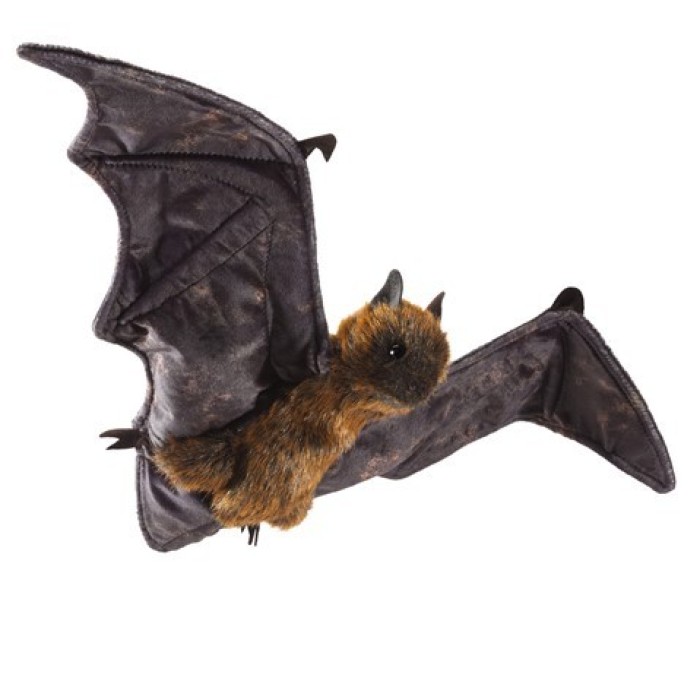
Flying in for friendly fun is the Folkmanis Fruit Bat. Also known as a flying fox, this winged wonder has a cute, foxlike face with short snout and pointy ears as well as movable wings that span 20" wide.
Immerse yourself in the rustic charm of our Bat Magnet by Universal Ironworks Inc. This 4-inch magnet, intricately cut from American-made steel, captures the uniqueness of their rusting process carried out in Prescott Arizona. Ideal for adding a touch of nature-inspired aesthetic to your space, it's more than just a magnet, it's a piece of art.
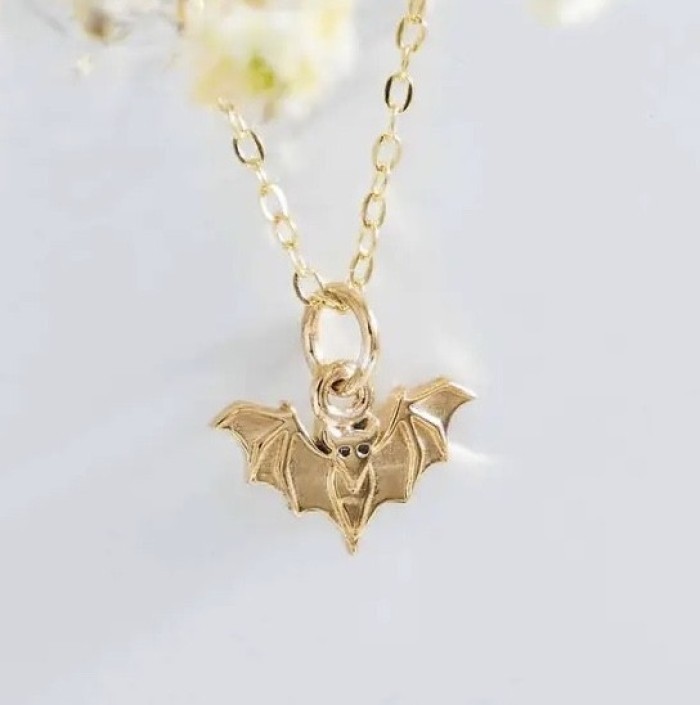
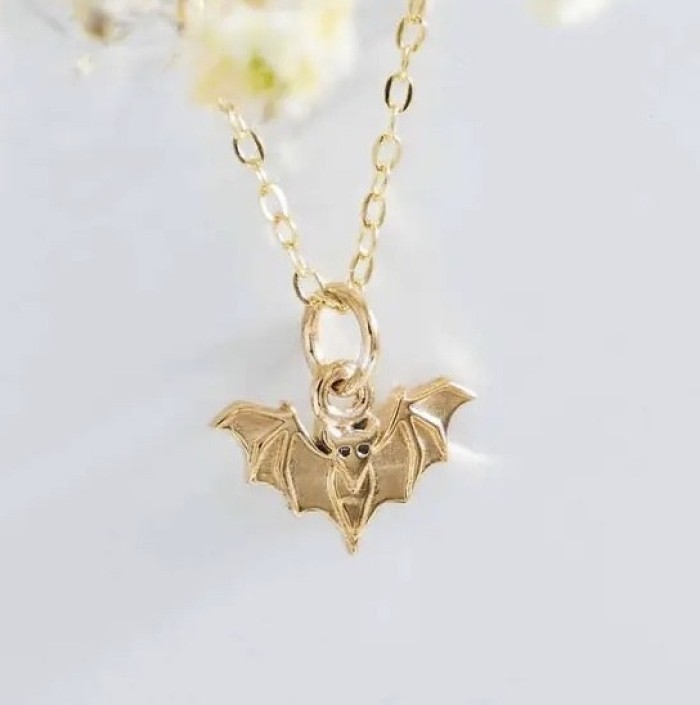
Due to their keen senses, bats symbolize intuition, dreams, and visions to many cultures. Bats are very nurturing, exhibit verbal communication, touching, and sensitivity to members of their group.
Due to their keen senses, bats symbolize intuition, dreams, and visions to many cultures. Bats are very nurturing, exhibit verbal communication, touching, and sensitivity to members of their group.
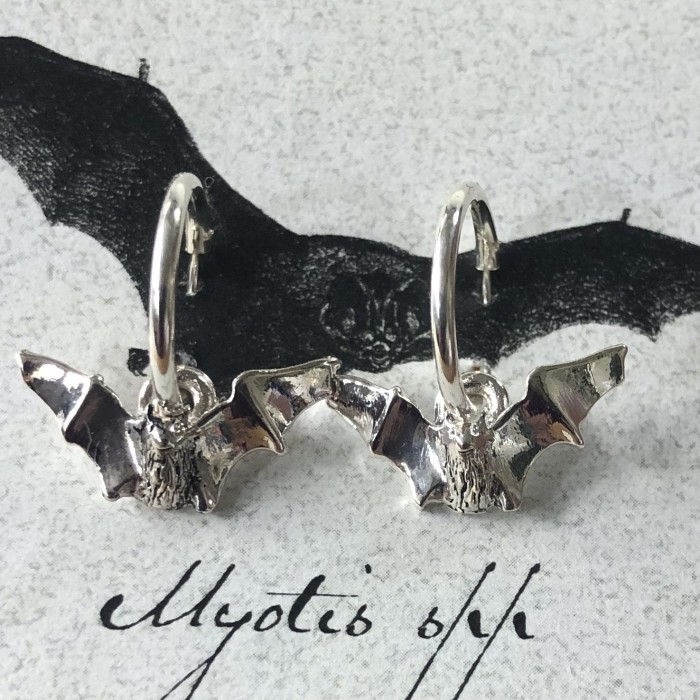
A Victorian design gives these earringas a classic look. *Nickel-free bronze ear wires and backs. *Dangle Earrings are about .75" by 1.5" with accent bead. *Image area 5/8" (16mm about the size of a dime). *Earrings arrive carded inside a chipboard gift box.