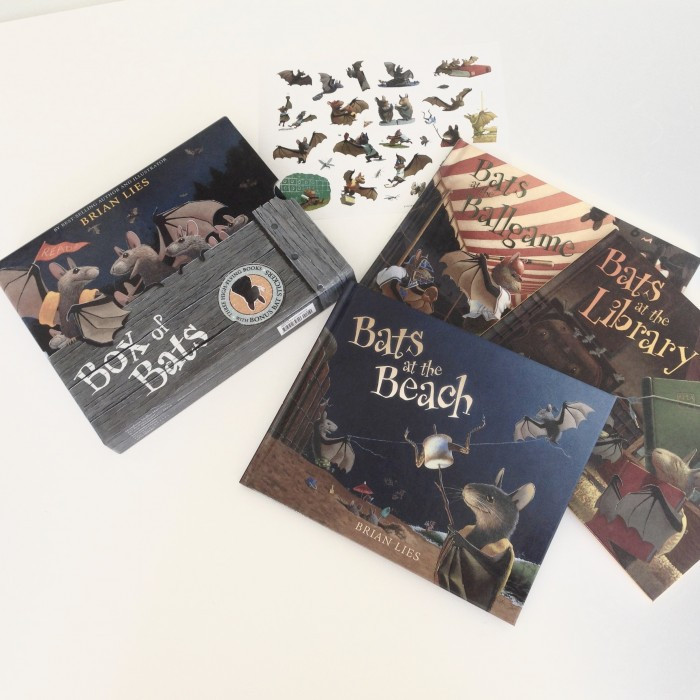
Join the free-for-all fun at the public library with these book-loving bats! Shape shadows on walls, frolic in the water fountain, and roam the book-filled halls until it's time for everyone, young and old, to settle down into the enchantment of story time. Brian Lies' joyful critters and -their nocturnal celebration cast library visits in a new light. Even the youngest of readers will want to join the batty book-fest! Also read "Bats at the Beach" by Brian Lies. HB, 32pp., 2008.
The best batty bedtime story in years. Bats of many species pack up their picnic baskets for a little beach time fun. Don't forget the moon-tan lotion! Great illustrations and delightful verse. A read aloud or very early reader. Written and illustrated by Brian Lies, 2006, 30pp, hb.
A beautiful box of New York Times best-selling Bats books. Includes three captivating stories about the nighttime exploits of a crew of nocturnal adventurers--Bats at the Beach, Bats at the Library, and Bats at the Ballgame. With gorgeous illustrations to pore over and lyrical, rhyming text to read aloud, these books are made for repeat performances. 6 1/2 by 8 1/2 inch hard bound books. Includes a sheet of stickers.
Illustrated by Carly Allen-Fletcher. Text by Gordon McMillan. The tube-lipped nectar bat is the pollinator of a pale, bell-shaped flower found in the Ecuadorian cloud forests. First discovered in 2005, the bat is the only known pollinator of a pale, bell shaped flower called Centropogon nigricans . Due to the length of the bloom, no other animal can reach the nectar which rests at the flower's base. This is the story of one such bat and her nocturnal search for this rare flower whose nectar sustains her.
Carly Allen-Fletcher is a freelance illustrator living and working in the Midlands, UK. She studied Illustration at Loughborough University. Her work explores the combination of digital painting and traditional media, creating images by layering graphic shapes with painted textures and handmade elements. She is inspired by nature and geometric forms. In 2015 she won a silver prize (1,000 pounds) from the UK Association of Illustrators in the "London Spaces and Places" category. Carly is also the author/artist of two board books, Goodnight, Seahorse and Goodnight Forest. View her work here: http://carlydraws.com/ Gordon McMillan is an artist and writer living near Nashville, Tennessee who looks at everything from board games to textbooks as sources of inspiration. He is the author/illustrator of the children's book Scout, published in 2021.
Jojo is prepping for an exciting night; it's time for the bat count! Bats have always been a welcome presence during the summers in the family barn. But over the years, the numbers have dwindled as many bats in the area caught white-nose syndrome. Jojo and her family count the bats and send the numbers to scientists who study bats, to see if the bat population can recover. On a summer evening, the family quietly makes their way to the lawn to watch the sky and count the visitors to their farm.
This work of narrative nonfiction includes a 4-page For Creative Minds section in the back of the book and a 30-page cross-curricular Teaching Activity Guide online. Bat Count is vetted by experts and designed to encourage parental engagement. Its extensive back matter helps teachers with time-saving lesson ideas, provides extensions for science, math, and social studies units, and uses inquiry-based learning to help build critical thinking skills in young readers.
Katie Gillies, Director of the Imperiled Species Program at Bat Conservation International (www.batcon.org), and Catherine J. Hibbard, White-nose Syndrome Communications Leader with the U.S. Fish and Wildlife Service, contributed by verifying the accuracy of the information in this book. 32pp, pb, early reader.
Little Bat is excited about his first night in school! Readers will love to see him spread his wings in this sweet, inspiring picture book from New York Times best-selling and Caldecott Honor-winning Brian Lies. Wonderful illustrations and text. A read aloud or very early reader. Written and illustrated by Brian Lies, 2021, 32pp, hb.
Red bats can hibernate or migrate to warmer regions during the winter. Should this solitary little bat stay or should she go? That's the question the little red bat ponders as the leaves fall and the nights get colder! Some animals, such as the squirrel, tell her to stay. But what about the dangerous creatures that hunt red bats in winter? The sparrow and others urge her to go. But where? Carole Gerber takes young readers on an educational journey through one bat's seasonal dilemma in Little Red Bat. Imaginative illustrations by Christina Wald give little red bat charm and personality, and children will be waiting and wondering what will happen next. Will the little red bat stay put or migrate south for safety and warmth? Facts and general bat information at the end of the story. Ages 4-8, 32pp, paper back.
wenty-eight bat-oriented activities help teach writing, communication skills, math, art and more. By Jane F.G. Jennings. Softcover. (30 pages). Suitable for Ages 5-10.
This fact-filled, colorful look at the amazing world of bats includes a call to action to protect these creatures and their habitats. Written by Melissa Stewart and Illustrated by Higgins Bond, Hardcover, 32 pp. For ages 6-10. In simple yet informative language, A Place for Bats introduces young readers to the ways human action or inaction can affect bat populations and opens kids' minds to a wide range of environmental issues. Describing various examples, the text provides an intriguing look at bats, at the ecosystems that support their survival, and at the efforts of some people to save them. At the end of the book, the author offers readers a list of things they can do to help protect these special creatures in their own communities.
Baby Bat loves his cave home and never wants to leave it. While practicing flapping his wings one night, he falls, and Pluribus Packrat rescues him. They then explore the deepest, darkest corners of the cave where they meet amazing animals--animals that don't need eyes to see or colors to hide from enemies. Baby Bat learns how important bats are to the cave habitat and how other cave-living critters rely on them for their food. Will Baby Bat finally venture out of the cave to help the other animals? Written by Janet Halfmann Illustrated by Shennen Bersani 32 pg, 10 x 8.5, ages 4-9
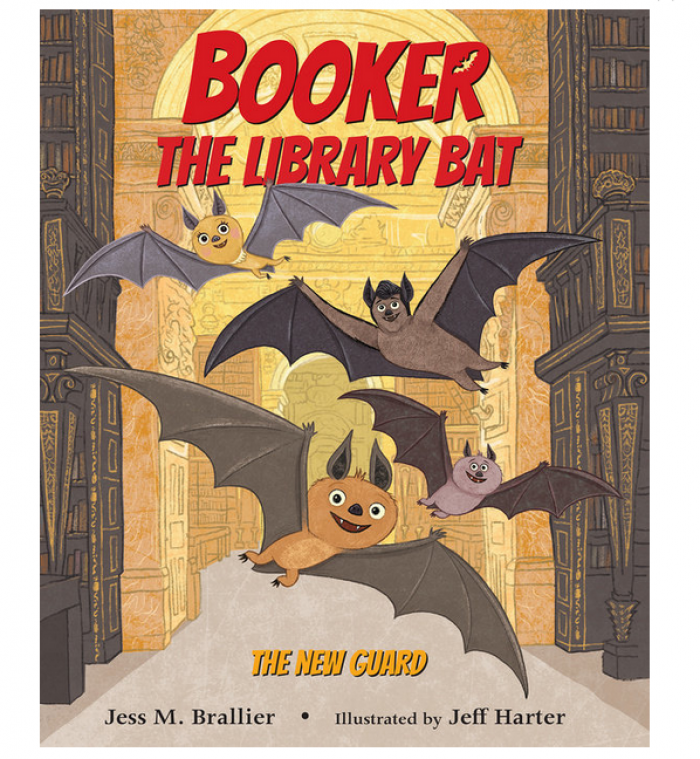
The launch of a picture book series about the adventures of a book-loving bat and his buddies as they patrol and protect their library home. Hardcover, 32 PP.
Booker the bat has completed his training and he's excited to report for duty as the newest guard at the Joanina Library in Coimbra, Portugal. His job is to fly through the stacks at night, gobbling down the bugs that are in turn eating the 200,000 antique leather books. It's the perfect job for Booker, because he loves to read. And now he's saving books!
There's only one problem: how will he fit in with the other guards? They're so cool and confident, and what if they don't like him? But when Booker spots a human attempting to steal pages from one of the valuable books, he summons his courage, (echo)locates the other bat guards, and swoops in with a plan to save the day!
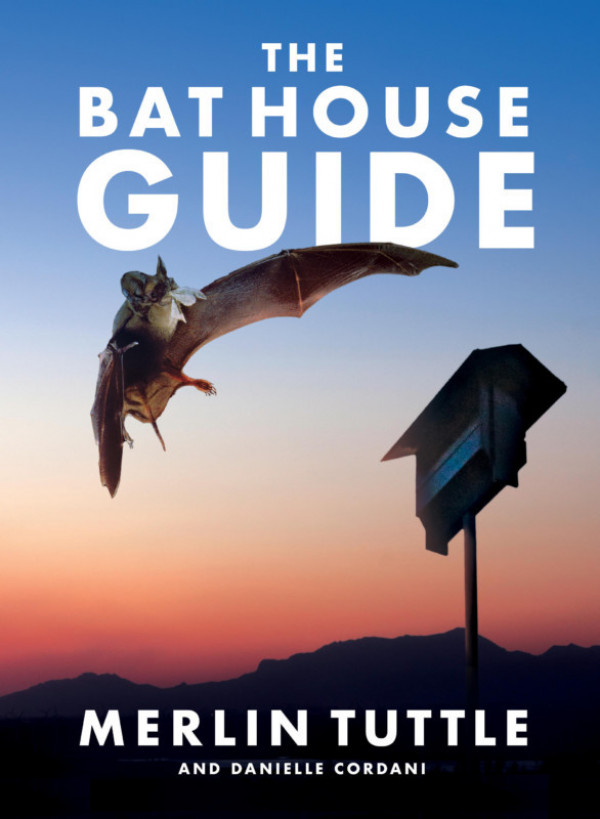
By Merlin Tuttle & Danielle Cordon, 2022. Hardbound. Why build bat houses? Because bats are essential. They protect our crops, reduce use of pesticides that can cause cancer and dementia, and even help protect us from mosquito-borne diseases such as West Nile. However, they are in alarming decline, often due to loss of natural roosts.
Armed with this handy guide from Merlin Tuttle's Bat Conservation (MTBC), you can have fun helping both bats and your neighborhood. We summarize decades of discoveries by more than a dozen leading experts to provide step-by-step instructions and diagrams for their favorite designs. Some of their conclusions will surprise you.
Whether you buy or build bat houses, your success will improve when using this guide. Follow the building advice or look for vendors who meet the high standards required to gain MTBC's Seal of Approval. And if you achieve exceptional success, or even unexplained failure, let the authors hear from you at MerlinTuttle.org.
Most of all, enjoy your bats and share your experiences with friends and neighbors!
Dr. Merlin Tuttle has studied and photographed bats worldwide for more than sixty years. He founded and led Bat Conservation International (BCI) for nearly thirty years, then left BCI in 2009 and founded Merlin Tuttle's Bat Conservation (MTBC).
Dr. Tuttle has published his classic research on bats in leading journals, contributed five articles to National Geographic, and lectured at institutions of science, from Harvard and Princeton Universities to the Smithsonian and British Museums. He is recognized as the father of modern bat conservation and is credited with saving the now famous Congress Avenue Bridge bat colony in Austin, Texas from extermination.
His unique photography and communication first led to the global appreciation of bats as safe, invaluable, and even adorable and likable creatures. No one has better demonstrated the power of combining captivating photos with sound science to win friends instead of battles for bats. Nor has anyone better demonstrated how conservation can benefit humans. Tuttle's legendary photos and experience provide invaluable guidance and inspiration that must be preserved and shared for future generations.