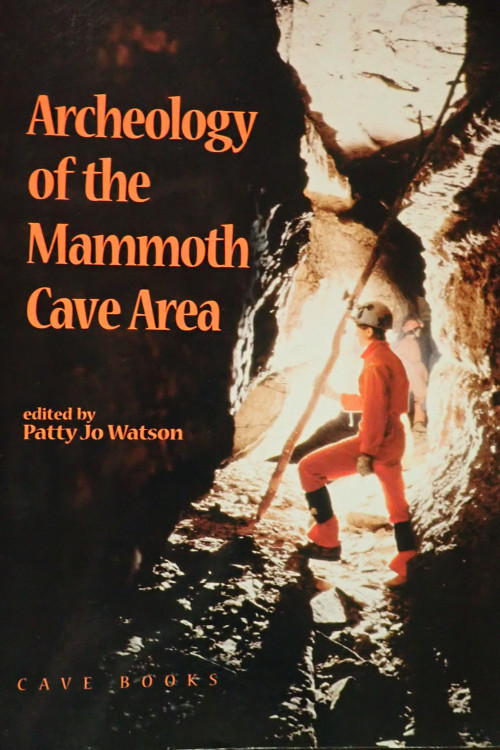
Edited by Patty Jo Watson. 1997. 49 b/w photos, 73 figures, 54 tables, foldout Mammoth Cave map, circa 1908. 255 pp. 7 x 10 Cavers and archeologists alike will welcome the reprinting of this classic volume presenting results from the first decade of archeological research in the world's longest cave in Mammoth Cave National Park, Kentucky. This book established dark-zone archeology as an essential source of infor- mation on prehistoric lifeways in Eastern North America, and still provides the most detailed evidence available for indigenous, pre-maize agriculture and diet 1,500 years before European contact. "This profusely illustrated book contains 31 chapters arranged in six parts dealing with surface work in Mammoth Cave National Park, Salts Cave archaeol- ogy, Mammoth Cave archaeology, aboriginal use of other caves in the National Park area, and archaeology in Wyandotte Cave, Indiana. Watson concisely sums it all up in chapters on the prehistoric miners and horticulturists of Mam- moth Cave area . . . . one of the most exciting frontiers of Eastern Woodlands archaeology." --Southeastern Archaeology
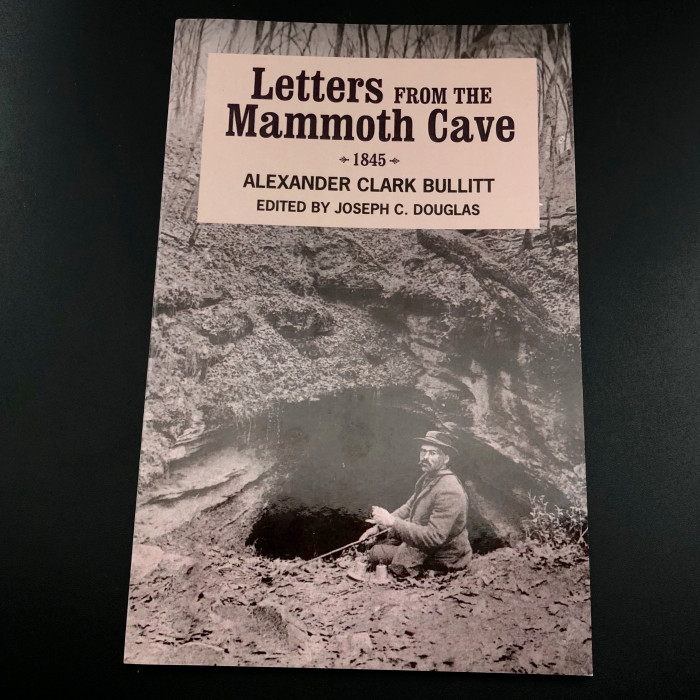
Letters from the Mammoth Cave" provides a fascinating insight into a mid-19th century visit to Mammoth Cave by Alexander Clark Bullitt. Already familiar to many, Bullitt published one of the earliest, illustrated guides to Mammoth Cave in 1845 based on a visit in 1844. But his return in the second half of 1845 is less well-known. Joseph Douglas' collection of Bullitt's letters, published in the New Orleans Picayune in September and October, 1845, provides a fresh and engrossing look at one of the early narratives of the 'Settlers', as Bullitt described his party. Aside from detailed descriptions of the passages through which his party traveled, cave visitors and enthusiasts will be especially taken by Bullitt's description of his party's encounter with Rigg's and Blackman's Domes-the first Europeans to do so, and the first people to leave a record of the exploration. Taken individually Bullitt's letters are engrossing. As a whole they serve as an important account of the 19th century exploration, the early Mammoth Cave and regional tourism industry, and ideas about what would become know as karst science. --Andrew McMichael, WKU 70 pages, soft bound. From Cave Books.
Paperback. Carsten Peter's adventures in volcanoes, caves, canyons, deserts, and beyond. The earth explodes in shoots of hot magma, glaciers crash into the ocean, grotesque creatures lurk in deep caves... follow noted National Geographic explorer and photographer Carsten Peter as he shows us that our precious planet Earth is one wild and extreme place!
Tornadoes, ice caves, glaciers, lightning--no territory or phenomenon is too scary for daring explorer Carsten Peter, who is right at home exploring the most outrageous places and raucous natural occurrences around the globe. Kids can follow along as he heads into extreme places and reveals the science and background behind these seemingly unexplainable natural places and phenomenon. Underlying each of his adventures is a dose of hard science, intriguing history, provocative images, tips, gear and gadget advice, and more to help kids learn about the Earth how they can help preserve the planet.
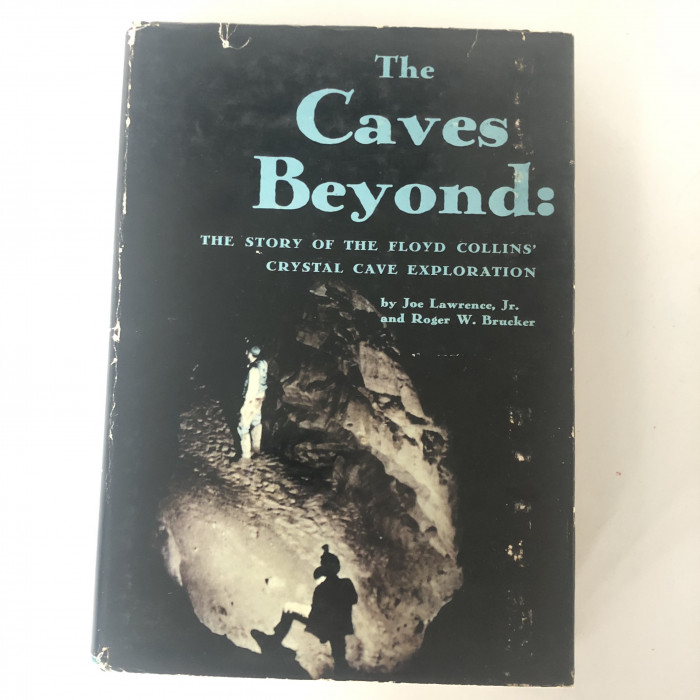
Joe Lawrence, Jr. and Roger W. Brucker. Hardbound. 6 maps, 318 pp. 6 x 9,. First edition, 1955. In February 1954, under the direction of Joe Lawrence, Jr., the National Speleological Society sent the largest, most highly organized, and best-equipped expedition in the history of American cave exploration into Floyd Collins' Crys- tal Cave, Kentucky. The Caves Beyond is the official account of that expedition. It is a classic American caving story. There is no other caving book like it. "This excellent book is by far the best written on the adventures of exploring a single cave . . . . This is really a terrific book, and if I had to single out the most enjoyable caving book in my library, this would be it." Chuck Pease.
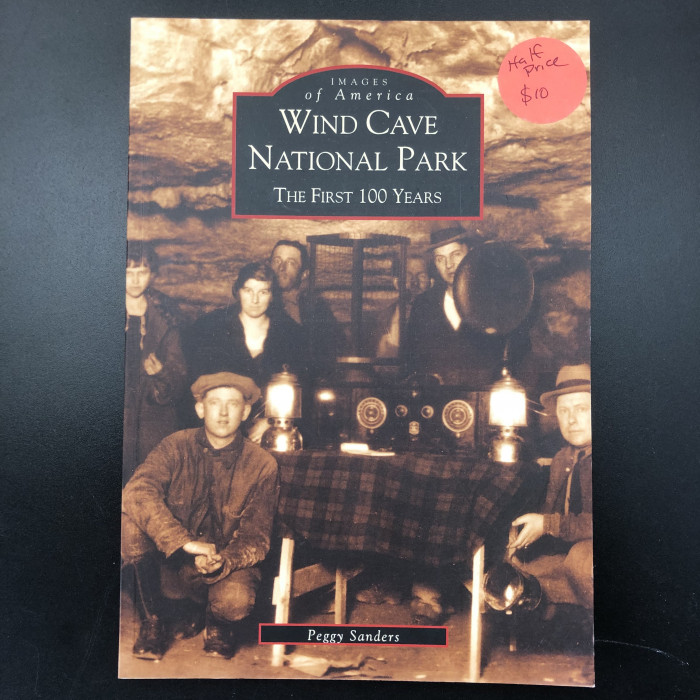
Wind Cave is one of the longest and most complex caves in the world. Complete with more than 100 miles of surveyed cavern passageways below ground and 28,295 acres of diverse ecology above, Wind Cave National Park is an American treasure with an impressive history. The first recorded discovery of Wind Cave occurred in 1881 when brothers Jesse and Tom Bingham followed the sounds of the whistling wind and came upon the cave. In 1903, the cave and surrounding area became Wind Cave National Park, the seventh national park in the nation and the first created with a cave as its focal point. In the 1930s, the Civilian Conservation Corps (CCC) established a camp near the park headquarters. The CCC built roads and buildings, landscaped and made improvements to better accommodate tours inside the cave.
Mammoth Cave was under private ownership before it became a National Park in 1941. For over 85 years, the cave was owned and operated by John Croghan of Locust Grove and his heirs. This is the first comprehensive look into the history of the Mammoth Cave Estate using unpublished information and rarely seen photographs of the Cave Estate from private collections. Maps, drawings, and floor plans of the Hotel and Estate are provided as well as never before seen images of the 1916 Mammoth Cave Hotel Fire aftermath. by Richard Hobart, Bob Thompson, Norman Warnell , Elizabeth Grace Winkler. From Cave Books. 2020. 122 pages, soft bound. From Cave Books.
This updated Second Edition Includes six new chapters. Other chapters have been updated and expanded. Nearly a hundred new photographs have been added.
Read the fascinating story of how this cave, first explored by American Indians 10,000 years ago, grew to become one of America’s major show caves. See the amazing drawings, only recently discovered, left on the cave’s wall by these people. Read the story of how Dunbar Cave was used by the first white settlers, then became the favorite meeting place and resort in Montgomery County. Relive the glory days of the Big Band Era when the most famous bands in America played at Dunbar Cave. Share the excitement as cavers from the Northern Indiana Grotto add miles of virgin passages to a former commercial cave that had been thoroughly explored for the last 150 years. Swim with the scuba divers as they attempt to connect the new discovery with the Historic Section of Dunbar Cave. Learn about the modern use of the caves as a Tennessee State Natural Area.
Third Edition, Revised and Updated. By Chet Raymo and Maureen E. Raymo. Imagine yourself standing on the bank of the Connecticut River near Hartford, Connecticut. The river flows placidly through green-mantled hills to the sea. The air is scented by flowering plants, and grasses weave and wave on the shore. Deer graze at the water's edge; birds sing. In the distance are the skyscrapers of the city, the airport and highways, and the sprawling suburbs, all energized by human activity.
Now imagine yourself standing on the same piece of land 200 million years ago. Tall mountains cast long shadows across a bleak desert valley. Volcanoes spew noxious gases into the air, and rivers of lava burst from the rent earth. The land shakes. Dinosaurs cease their feeding and fearfully test the air. More remarkably, the piece of crust on which you stand is much nearer the Earth's equator, 1,000 miles south of where it is today.
In vivid, non-technical prose, Written in Stone traces the geological changes in the American northeast since the continent perched on the equator and dinosaurs were young. Grand events unfold as continents collide, oceans disappear, mountain ranges rise and fall, and mass extinctions decimate entire species. The events are grand, but the features of the landscape created by these events are as familiar as the hill behind your home, the rocks in the stone walls that enclose your yard, and the grains of sand on the beach where you go to swim. The history of the landscape is written in all the rocks and stones of the Northeast. This is an indispensable reference to an understanding of the forces that shaped our familiar landscape from Maine to New Jersey. 6" x 9", paper, 176 ppg., illustrated.
Foreword by Robert & Johanna Titus, trade paper, 6 x 9, 344 pages, 87 illustrations. Author Dana Cudmore grew up in the middle of New York State's "Cave Country"--home to an astonishing 150+ caves including world-famous Howe Caverns and Secret Caverns. This book explores the wonder and drama in the history of the caves and describes the remarkable personal and engineering accomplishments that turned some into popular tourist destinations. It is an intriguing, surprising, sometimes humorous and very human look back at nearly 200 years of adventure in New York's most famous caves and the explorers and entrepreneurs whose courage and vision have made the caves a part of the lives of millions of visitors from around the world. Cudmore and friends explored many of the area's caves, including some of the spectacular ones that are not public and less well-known, such as Ball's, Schoharie Caverns, Selleck's, and Knox Cave. Still not rediscovered, however, is Lester Howe's legendary Garden of Eden Cave, which Howe claimed was "bigger and better" than the famous cave he discovered and opened to the public in 1842. The search continues.
Hand-in-hand with the story of the caves is the story of the stone and cement quarry that was also built on the region's unique geology, and the history of the feisty, hardscrabble community that grew up around the original Howes Cave entrance and the quarry.
Previously undocumented details taken from years of accumulated research have formed this compelling history, including such exciting recent developments as the sale of Howe Caverns and its rebirth as an adventure destination (Naked Cave Tour, anyone?), the reopening of the Howes Cave quarry, and the creation of a new, first-of-its-kind, museum dedicated to these underground empires.
"Cudmore has written a book not solely about the caves' history, but about all the history attached to the caves--the multitude of personalities and the cultural and economic tides that have swept across the Leatherstocking Country and its greatest natural wonders. ... Underground Empires is a rise, fall, rise, fall, and rise again story filled with colorful characters, high adventure, a little romance even, and some tantalizing mysteries." -- From the foreword by Robert and Johanna Titus
ABOUT THE AUTHOR Dana Cudmore of Cobleskill is a retired communications professional who worked as a newspaper reporter and editor as well as a public relations director in the New York State university system. After running his own agency, Media Services, for a dozen years, he worked as an external affairs officer for a federal disaster response agency before retiring. Among other distinctions, he was a member of the original board of directors of the Cave House Museum of Mining and Geology, created in Howes Cave in 2003. Cudmore put himself through college working summers at Howe Caverns, where he developed an interest in its history and folklore. As a young man he explored many of the region's other, undeveloped caves, as well as caves in Missouri, Pennsylvania, Vermont, Virginia, and West Virginia. He writes of his first experiences as a young Howe Caverns tour guide: The 52? "other world" of the cave offered a bit of thrill, and I was fascinated by its mysterious dark passages--some unseen and unavailable to the public. I wanted to explore and to know all I could. Cudmore's fascination with caves and Schoharie County's Cave Country eventually led to his first book, The Remarkable Howe Caverns Story (1990), which was followed by Unearthing Howes Cave: A Community and a Quarry from 1842 On (2005).
Autographed by author Roland Vinyard. 273 pages, paperback. 2020. We all knew Pete Hauer. With a foot solidly planted in two unique communities, cave explorers and hippie homesteaders, he was a gentle Pacifist, yet he supposedly murdered a young man he barely knew, an unpremeditated killing, with no discernible motive. In his informal will, he admitted to it. This solved the case for the police, but for everyone else, as many doors were opened as closed. Before Pete's remains were found, the case involved witches, drugs, caves, and homosexuality-and the FBI's search had spread across the US. That was in 1975; weird things started to happen as strange people, witches, moved into this quiet rural West Virginia county. Pete's livestock were brutally slaughtered. Emotions skyrocketed. As we tried to make sense of the events, pet theories formed, each with drawbacks, and we still wrangle over "What really happened?"
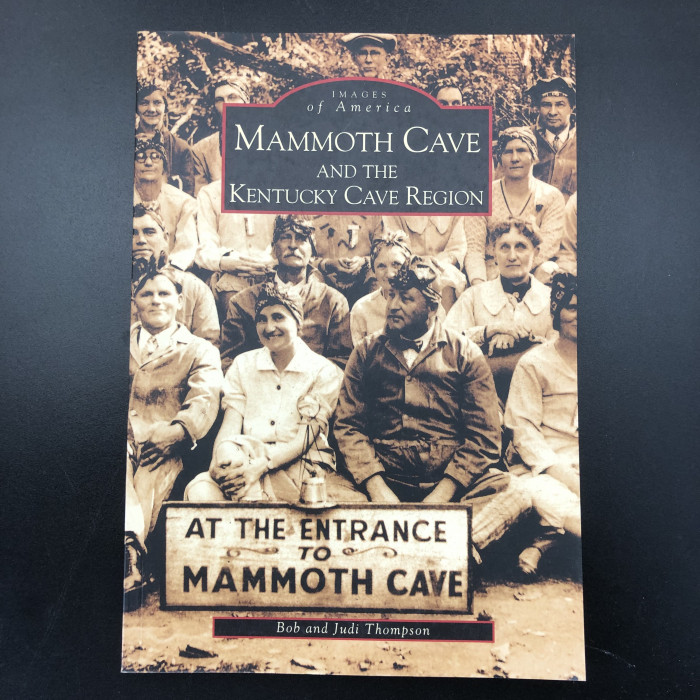
Mammoth Cave National Park and the surrounding area comprise the world's most extensive cave system. The region is characterized by what geologists call "karst" topography, a landscape dotted with sinkholes and caves. One of America's first tourist attractions, the cave was opened to the public in 1816, and was preceded in popularity only by Niagara Falls. The 200 vintage images found in Images of America: Mammoth Cave and the Kentucky Cave Region represent a look back at over 100 years of photography and tourism at Mammoth Cave and other caves that make up the Kentucky Cave Region. Rare images of early transportation, hotels, cave guides, cave tours, as well as important cave discoveries, and cave explorers such as Floyd Collins are shown throughout the book.
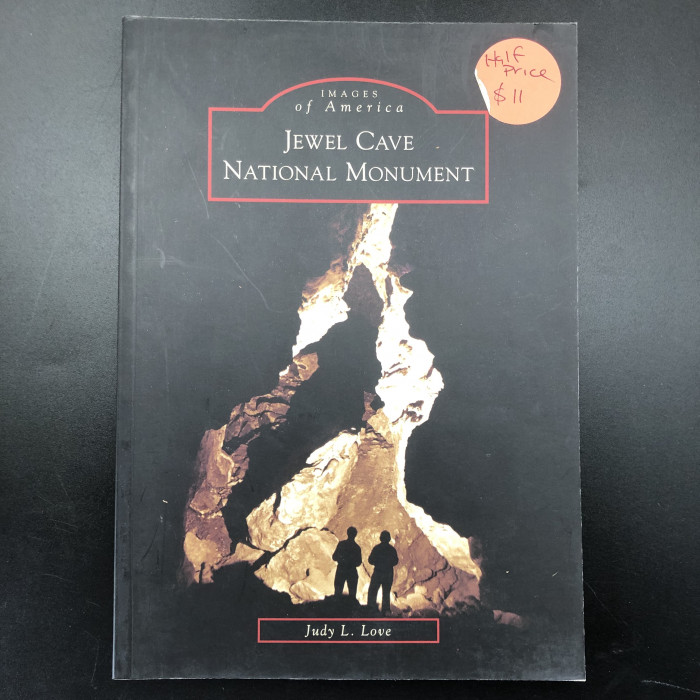
Buried under layers of limestone and sandstone hundreds of feet thick, Jewel Cave is more ancient than South Dakota's Black Hills, which adorn the landscape above. The cave lay undiscovered until 1900, when two brothers, miners and part-time cowboys, felt a strong wind coming from a small hole in the ground at the base of a cliff. When they enlarged the opening, they found passages filled with the glittering calcite crystals that give the cave its name. Although its discoverers marveled at the cave's natural beauty, few believed the find to be significant. Even after Pres. Theodore Roosevelt proclaimed Jewel Cave a national monument in 1908, the government was unwilling to fund development. Americans then took up motoring, roads improved, and tourists flocked to the once remote Black Hills. In the 1930s, the Civilian Conservation Corps created facilities to accommodate the influx. Yet it was not until an adventurous couple from the East received permission to explore and map the cave that its true importance was realized. They and fellow cavers who accompanied them or followed in their footsteps discovered a massive multilayered labyrinth. Jewel Cave now is the second-longest cave in the world, and the exploration continues.
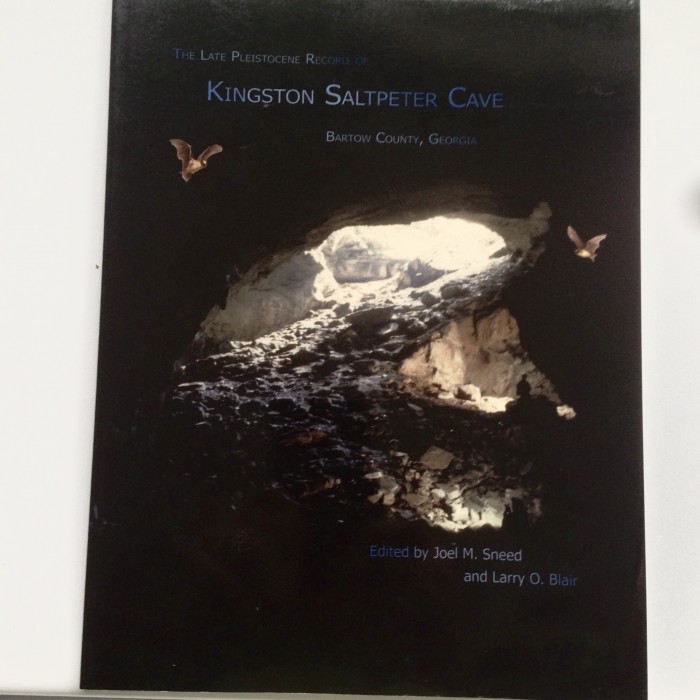
In Bartow County, Georgia. Edited by Joel M Sneed and Larry O Blair. Sb 70pp. From a well known and highly visited cave, an assemblage of Ice Age bones and teeth have been unearthed by members of the National Speleological Society. The study of these remains has brought to light important new information about the late Pleistocene in Georgia. This volume, the culmination of many years of study, includes the discovery, excavation and detailed descriptions of the fossils.
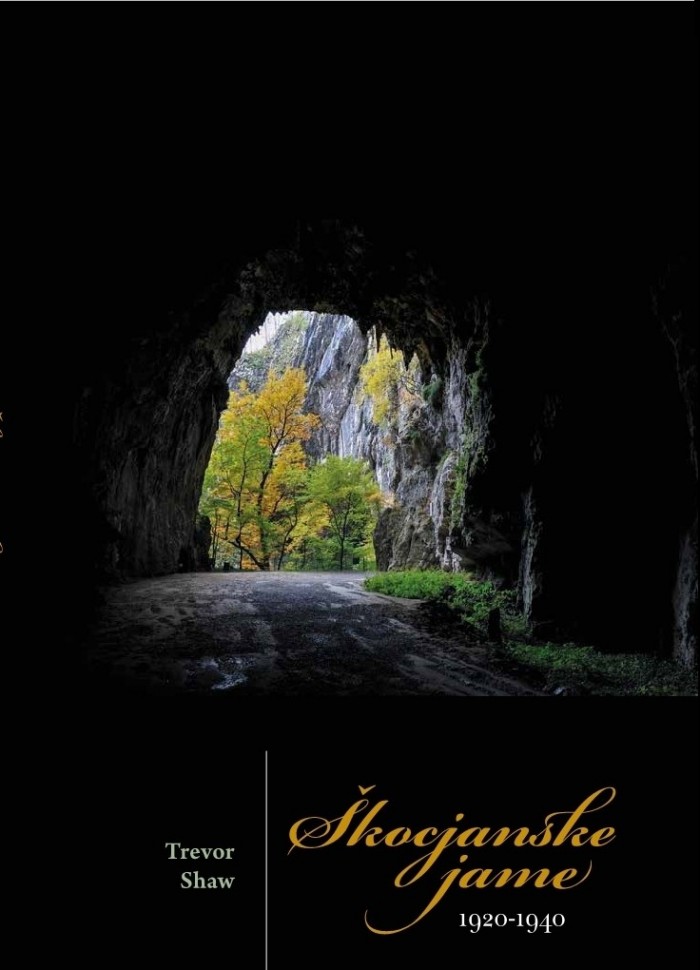
By Trevor Shaw, 2018. The cave Škocjanske jame has a long history of which the relatively short period between the two World Wars is the subject of this book. The area had just been transferred from Austria to Italy. Most of the cave had been explored before 1914 so the objective in the 1920s and 1930s was mainly to develop it as a tourist cave. Visitors had been accepted earlier but the emphasis now shifted to developing the tourist route through the cave, with new bridges and pathways as well as a new tunnel to the surface. The need for all arrangements to be formalized under Italian law caused problems and the re-opening of the cave to the public was delayed until 1923. Besides this development work, some exploration took place, new surveys were made and there were scientific studies. A little-know fatal accident is reported. Throughout the whole period the personalities of the individual guides, explorers and managers lead to a very human story as well as an exciting one. What helps to make this book so significant is the immense input from Italian archives, archivists and historians.
Preface
Acknowledgements
1 Introduction 2 Problems of Changing Nationality 3 Development as a Tourist Cave in the 1920s 4 Further developments, in the 1930s 5 Exploration by Austrians in 1921 & 1922 6 Federico Prez in 1922 7 Bertarelli’s Exploration in 1923 8 Surveying in Škocjanske jame 9 Images of the Cave – Models, Paintings & Photographs 10 Postal System and Postcards
Appendix: Equivalent Place-Names in Italian, German & Slovene
The karst regions of Slovenia, like those in many other parts of the world, result from the rock being limestone which is slightly soluble in rainwater. This not only causes a lack of surface streams and the presence of caves and underground rivers, but also other features characteristic of karstic landscape. In particular, solution of intersecting fissures in the rock results in cone-shaped depressions – dolines – in which some residual soil collects, and more is sometimes added by farmers to allow cultivation. Bigger, often vertical-sided depressions called collapse dolines result when the ground surface collapses into caves or cavities formed by underground streams. Collapse dolines include the immense pits at Škocjanske jame.
What is unusual about Slovenia is the amount of karst terrain that it contains. 43% of the whole country is karst; and of the part of Slovenia which was the old Austrian region of Carniola or Krain (Gorenjska, Dolenjska and Notranjska, including the Postojna area), 69% is karst.
The caves and spectacular features of karst have for centuries appealed to visitors and travellers, as they do to tourists today. For much the same reasons they have appealed to artists whose desire was to capture the scenes for themselves and for posterity.
Over the last two centuries or so we have become more and more accustomed to images of the real world. In modern times natural history films have become almost a substitute for the real thing. Personal cameras record what we have seen, sometimes more reliably than our memories, and magazines as well as television provide accurate pictorial information.
But it was not always so. Some five and a half centuries ago, printed books began to appear, providing information for those who could read. At first very few were illustrated, but about 430 years ago Valvasor was already producing his book on the castles of the province of Krain, illustrated with copper engravings; and ten years later, in 1689, there appeared his great topographical book on Krain, containing 535 illustrations. Painters of course did not depend on books to have their paintings displayed. But in later times their work was reproduced in books and reached a much wider audience.
At the same time, as technical developments made such reproduction easier and cheaper, the population increasingly learned to read. Poverty overall reduced and more people were able to enjoy leisure. This, with education, allowed them to use books and to see pictures other than those in the stained glass windows of churches.
This broadening of the kinds of readers, as well as an increase in their numbers, led quite early in the 19th century – only two centuries ago now – to the appearance of popular illustrated books aiming to arouse and satisfy curiosity. Titles such as The Wonders of Nature and Art (1803) and The Hundred Wonders of the World (1818) make this clear. Such books often include cave descriptions, many of them illustrated, and it was in this way that people living in non-karst regions became aware of the existence of caves.
So much for generalizations and context. What did all the images aim to do? One or more of the following, surely: to express the impressions, emotions and feelings of the artist; to inform people about caves and karst features; to give pleasure, by beautiful paintings or by luxurious albums of engravings; to illustrate texts (travel books, regional descriptions and guidebooks, scientific studies, accounts of cave exploration, historical studies, studies of cave images); to publicise particular caves and to advertise an unrelated product by an attractive picture.
Whilst scientific or geographical studies may require images of little-known caves or phenomena, it is clear from the content of this book that certain caves were more often the subject for artists and photographers than others. Several factors are responsible for this. Clearly an attractive cave, as the very word denotes, attracts more attention. A picturesque scene attracts pictures. And such pictures attract purchasers.
Also relevant is the extent to which the cave or place is already known. The better known places will be visited by more artists and photographers, and by more potential purchasers. Purchases, of course, include not only individual images but also illustrated guidebooks.
Another factor besides picturesque beauty affected this popularity of a place, especially before the motor car became widely available. That was its location and ease of access for large numbers of people. For Slovenia, many potential visitors were to be found at Trieste (as a major part where they waited for their ships) and on the main routes such as the vital road from central Europe through Postojna to the coast. Hence the popularity of Vilenica, Škocjanske jame and Postojnska jama. They attracted the artists and photographers, and they also attracted the visitors who would buy their productions.
Among the many cave images known, some (only a few, but nevertheless some) do provide information that is historically important. Dress is necessarily shown wherever there are people. That of the visitors is normal for the period and sometimes it is the dress that helps to date the image. Images of cave entrances necessarily record whatever barriers, gates, seats or buildings that were present at the time.
The earliest images of karst features occurred on 16th century maps, where the land was represented, not by accurately surveyed rivers, roads and contour lines, but by pictorial representations. Some of these were symbolic, such as trees for forests and little hills for mountainous county. But special features (and Cerkniško jezero was certainly considered very special) were drawn individually and the space required for this gave them extra prominence.
Individual pictures were sold for display, as indeed they still are. Such engravings were sometimes published together in albums, with or without text, as fore-runners of modern coffee-table books. The emphasis there was on attractive images, whereas later in the century pictures were used to illustrate points made in the text, for example in the books of Martel and Kraus or to illustrate places described in guidebooks.
Engravings, where the artist’s image was redrawn by the engraver on a metal plate (or lithographs where it was redrawn in stone) were still used to illustrate books and magazines up the 1890s. In that period the “artist’s image" to be engraved was often a photograph. Only when the half-tone process was developed in the 1880s, was it possible for photos to be transferred mechanically to paper in large quantities without an intermediate process.
In those earlier days (1870s to 1890s) photographs were usually engraved for publication. But the reverse also occurred. Photographers realized that cave pictures were saleable, but they found also that they were very difficult to take.
Copying was not only done to facilitate reproduction of images. It also occurred, without acknowledgement, when the easiest source for a new (saleable) illustration was an earlier one. In book publication (and ship capture) this is termed piracy. It was common in the 19th century and several examples are exposed in this book.
Of course, cave images of quality continued to be made after the cut-off date for this book – the start of World War I and the end of Slovenia’s time as part of Austria. Photographers include Friedrich Oedl (1894-1969) at Škocjanske jame in 1921, Franci Bar (1901-1988) in many caves, and several members of the Društvo za raziskavanje podzemskih jam. All those photographers were cave explorers themselves. Painters of this later period include Leo Vilhar (1899-1971); Mario Vilhar, his son (born 1925), and Lojze Perko (1909-1980). By Trevor Shaw and Alenka Cuk, 2012.
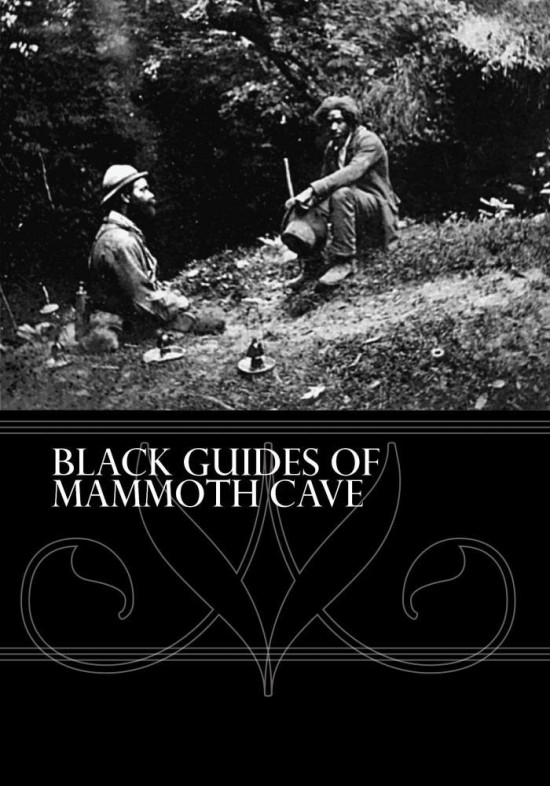
53 Minute DVD, 2017. Produced by Edward Frank and Phoebe Freer. In 1838 three slaves were brought to Mammoth Cave to work as guides: Stephen Bishop, Materson Bransford, and Nick Bransford. Stephen Bishop became the greatest American Cave explorer who ever lived. He crossed what was known as the Bottomless Pit and discovered tens of miles of new passage in what is known now as the longest cave in the world. The trio spent a lifetime leading tours and exploring new passages in the cave. Many other black individuals have made major contributions to the history of the cave over the years. Leading tours in the cave and exploration became a family tradition for generations of guides both black and white. For example, the Bransford family has had five generations work as guides in the cave from Mat Bransford, one of the original three slave guides, to his great great grandson and present day guide Jerry Bransford. This is their story.
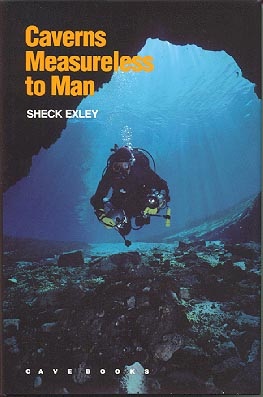
Sheck Exley. 1994. 16 color, 55 b/w photos, 16 maps. Caverns Measureless to Man is the story of the passion of an extraordinary individual who spent his life exploring underwater caves. For nearly thirty years, Sheck Exley was the leader. He set records, he developed the techniques, and he maintained the highest standards of excellence. Sheck lived a life of adventure, danger, and excitement of a degree that few people can ever dream of; or, if they do, those dreams are nightmares. If you participate on the highest level, you know that some of your best friends are going to die. If you continue to push yourself and your equipment to the limits. If you persist in being a world class diver as Sheck was the chances are very high that you, too, will die. This book may terrify you, but it will unquestionably fascinate you, and in the end, Sheck Exley will convince you that his death came to him in the midst of the incredibly intense joy he took in diving into the depths of the earth.
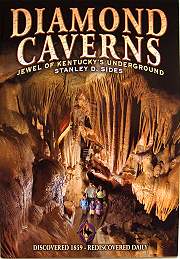
Stan D. Sides. 2007. 22 pp. 61⁄2 x 10.pb The story of a historic show cave adjacent to Mammoth Cave National Park. The cave's profuse glistening formations distinguished it from the lengthy dry passages of Mammoth Cave, leading to its popularity as a visitor attraction for nearly 150 years. The geologic story of Diamond Caverns is identical to that of Mammoth Cave. The sandstone layer capping the Mammoth Cave plateau restricts water flow into the underlying passages. This caprock has eroded away at Diamond Caverns, resulting in deposition of extensive formations in Diamond Caverns. This book, loaded with dozens of beautiful color photographs, outlines the rich history of this remarkable show cave, introduces the geology of the immediate area of the cave, and invites the reader to savor another aspect of the beauty and uniqueness of the Mammoth Cave region. Today, historic Diamond Caverns is the second oldest show cave in the Central Kentucky region, and forth oldest operation commercial cave in the United States. It is located within the Mammoth Cave National Park International Biosphere Reserve.
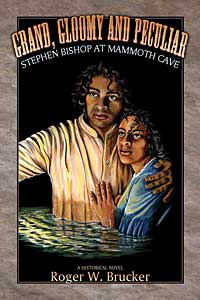
By Roger W. Brucker. 2009. Like most slaves in early America, Stephen Bishop dreamed of freedom. But when his master brought him to Mammoth Cave in Kentucky in 1838, he found a new obsession--exploring the vast reaches of what would one day be the world's longest cave. Grand, Gloomy, and Peculiar is based on the true story of America's first great cave explorer, whose magnificent discoveries helped pave the way for Mammoth Cave to become a national park a century later. Written from the perspective of his wife, Charlotte, this carefully researched novel combines adventure, history, humor, and romance. Indeed, it is a fascinating tale of two unforgettable slaves whose passion for each other, and for the cave below, made it possible for them to endure an otherwise intolerable existence. "Grand, Gloomy, and Peculiar . . . is one of the best historical novels I have ever read. It educates and captivates. I loved it." --Donald W. Murphy, Chief Executive Officer, National Underground Railroad Freedom Center
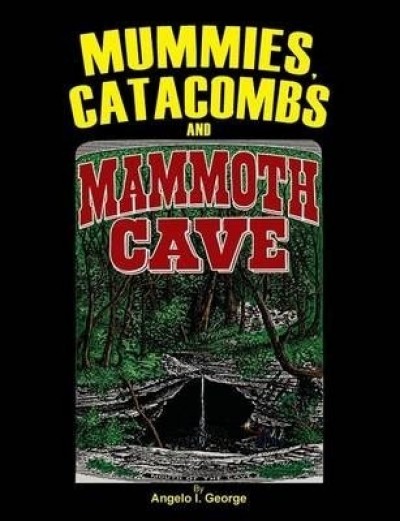
Mummies, Catacombs and Mammoth Cave recounts the discovery of Indian mummies in American caves. Over three thousand years ago Native Americans used caves as their workplace, home, and site for burials. Many are found in the Mammoth Cave area. The book traces the exploits of a number of Indiana Jones kind of adventurers and their amazing discoveries of mysterious catacombs and caves full of Indian mummies. A catacomb of prehistoric Indian mummies was reported in an 1808 travelogue. A pioneer discovery of a dry cave full of well-preserved Indian mummies adjacent to Lexington, Kentucky - The first burials reported of this nature in an America cave. Three years later, saltpeter miners began to dig up mummies in a cave near Mammoth Cave. One of these, Fawn Hoof, the best known of all the mummies, was taken to Mammoth Cave and exhibited. In 1816, newspapers carried Nahum Ward's report of a swashbuckling cave exploring adventure. It was an adventure like no other - stupendous rooms, exploring miles of passage, seeing sparkling formations and a petrified Indian mummy. The mummy really captivated people's attention. Tourist traveled to the cave to see this wonder of nature and relive the adventure, making Mammoth Cave a top tourist destination as a famous abode of prehistoric Indians. Today, Mammoth Cave is the longest cave in the world - with surveyed passages measuring over 400 miles in length. Paperback. 168 pp. Second edition 2013. By Angelo George.
Very many of the place names in the caves derive from natural, architectural and other familiar objects such as animals, birds, plants, rain, parts of churches, curtains and human anatomy. 370 individual places in the Postojnska jama cave system have been given names over the centuries, usually in three or more languages. The tabulated list forming the main body of this book lists all these names, together with locations and the period for which each name is known to have been used. By Trevor Shaw, 2006, 151 pp., paperback.
Colleen O'Connor Olson. 2004. 22 photos. 64 pp. pb. Four thousand years ago, long before modern people set foot in Kentucky, Native Americans ventured into Mammoth Cave's dark passages, lighting the way with reed torches. Who were these ancient people, and why did they risk their lives to enter such a foreboding place? Artifacts such as torch fragments, slippers, baskets, drawings, and even mummified remains of these brave explorers reveal some answers about the prehistoric people who were the ancient world’s greatest cavers. This book takes us into the lives of these ancient people who lived near Mammoth Cave and unravels some of the mysteries of their journeys through the dark passages of the world’s longest cave. Since 1993, Colleen O’Connor Olson has been an interpretive ranger at Mammoth Cave National Park. “A much-needed summary of pre-Columbian exploration in the world’s longest cave: written expressly for the general public . . .” —Patty Jo Watson, author of Archeology of the Mammoth Cave Area
Colleen O'Connor Olson. 2004. 22 photos. 64 pp. pb. Four thousand years ago, long before modern people set foot in Kentucky, Native Americans ventured into Mammoth Cave's dark passages, lighting the way with reed torches. Who were these ancient people, and why did they risk their lives to enter such a foreboding place? Artifacts such as torch fragments, slippers, baskets, drawings, and even mummified remains of these brave explorers reveal some answers about the prehistoric people who were the ancient world’s greatest cavers. This book takes us into the lives of these ancient people who lived near Mammoth Cave and unravels some of the mysteries of their journeys through the dark passages of the world’s longest cave. Since 1993, Colleen O’Connor Olson has been an interpretive ranger at Mammoth Cave National Park. “A much-needed summary of pre-Columbian exploration in the world’s longest cave: written expressly for the general public . . .” —Patty Jo Watson, author of Archeology of the Mammoth Cave Area
Alexander Clark Bullitt. 1985. New introduction by Harold Meloy. 6 engravings, foldout Mammoth Cave map, circa 1845. 134 pp. 5 x 71/2 Rambles in the Mammoth Cave was originally published in 1845. Alexander Clark Bullitt describes the cave as easily accessible, with comfortable local ac- commodations, and as offering safe and pleasurable cave trips for ladies and gentlemen. The book provides beautiful descriptions of the sights in the cave that could be seen by visitors in 1844, and can still be seen by visitors today. It has been a source book for all future guidebooks, and remains a most attractive souvenir for visitors who want to remember their trips into Mammoth Cave. The new introduction by Harold Meloy is based on his many years of histori- cal research on Mammoth Cave. It provides information about the early owners, managers, guides, and visitors to the longest cave in the world. "The physical reproduction of the text is excellent and the binding worthy of the classic this is." ?International Journal of Speleology
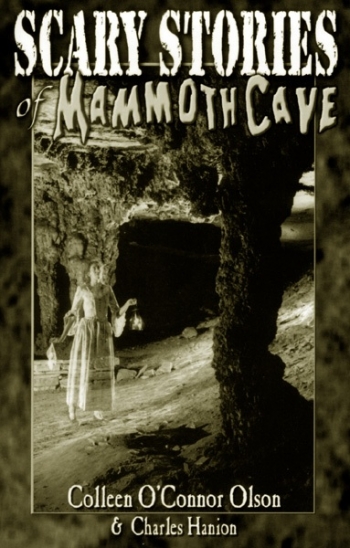
Colleen O'Conner Olson and Charles Hanion. 2002. 7 drawings by Roger W. Brucker. 92 pp. 51/2 x 81/2 As you enter the world's longest cave you cannot help but wonder about scary stories. Two centuries of tourists and explorers--some of whom got lost, saw or heard the unexplainable, or just wanted to tell a good tale--cannot leave a cave without stories. Scary Stories of Mammoth Cave is a collection of nineteenth and twentieth century fiction, historical and more recent first hand accounts of unusual experiences by National Park Service employees, cave explorers, and scientists. "These eerie tales and believable accounts may have you thinking twice be- fore entering a cave and will have you looking back over your shoulder after you arrive." --Troy Taylor, President, American Ghost Society "Scary Stories offers more than simple tales; a feeling of history permeates the pages. It's a nicely produced, well-priced paperback that any caver will enjoy." --Chris Howes, Editor, Descent
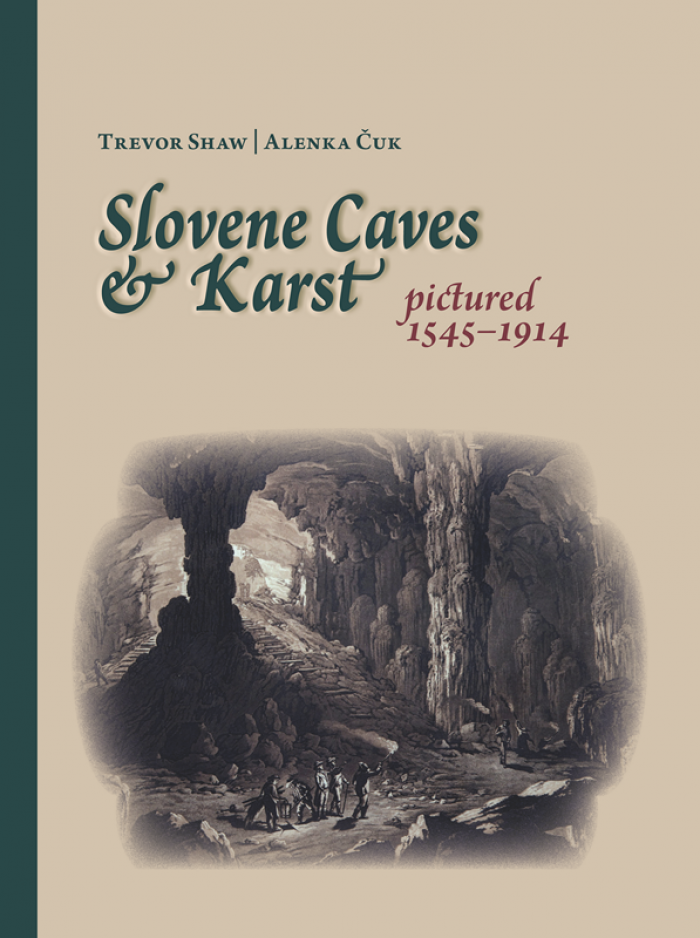
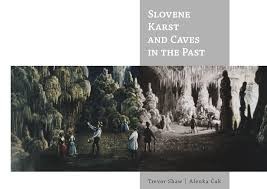
The caves and dramatic limestone scenery of the Slovene karst have attracted visitors for centuries. The great stalagmites and roaring underground rivers were seen by relatively few people at that time but many of them did record their experiences in diaries as well as in print. These are used in the book, which is a result of a long-time collaboration between an English historian of speleology and a Slovene historian, to describe what they saw and what they thought about it, with contemporary illustrations by contemporary artists and photographers. Modern tourism derives from the tours led by Thomas Cook who first came to Postojnska jama in 1868. Music in that cave has a very long history for dancing or concerts. This is only one example of the relation between caves and people as a constant theme in this book. Altogether the 39 chapters describe, for example, the problems facing all travellers in pre-railway days and point out that one of the very first women to explore difficult caves did so at Skocjan. Also touched upon is Darwin's interest in Slovene cave animals and a lot more.
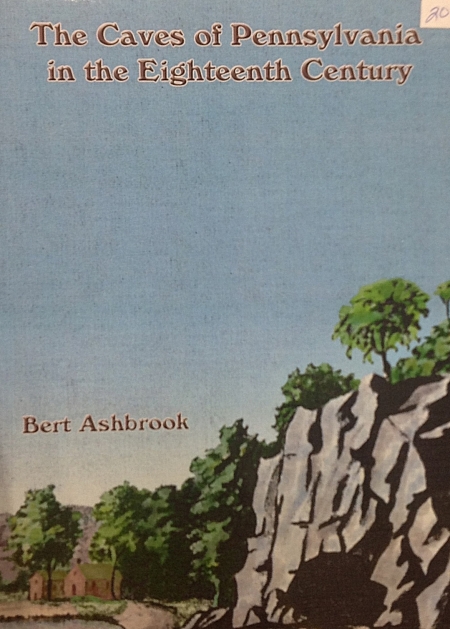
By Bert Ashbrook. 2013, 116 pages. Describes Pennsylvania cave references written during the 18th century, and about the people who recorded and wrote about those caves. Includes maps and engravings.
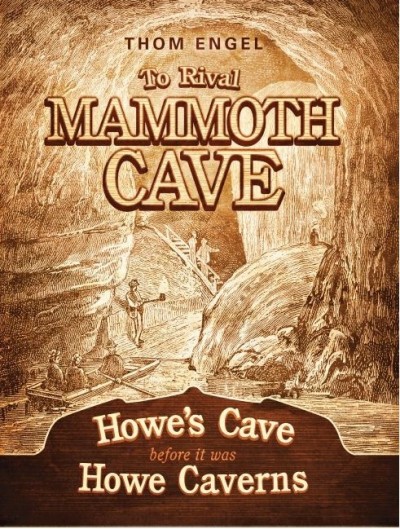
Before 1929 Howe Caverns was known as Howe’s Cave. Lester Howe discovered the cave on May 22, 1842. After digging open the entrance, he started giving tours. Those early tourists have left behind tales of their adventures underground. At times thrilling and even funny, these contemporary accounts along with current introductions and biographies give a history of the cave and the events of the times. Howe’s Cave was favorably compared to Mammoth Cave in Kentucky and many writers described it as rivaling it in size and grandeur. Thom Engel has unearthed these tales and descriptions and has brought them together in one place: To Rival Mammoth Cave. 254pp. Soft bound.
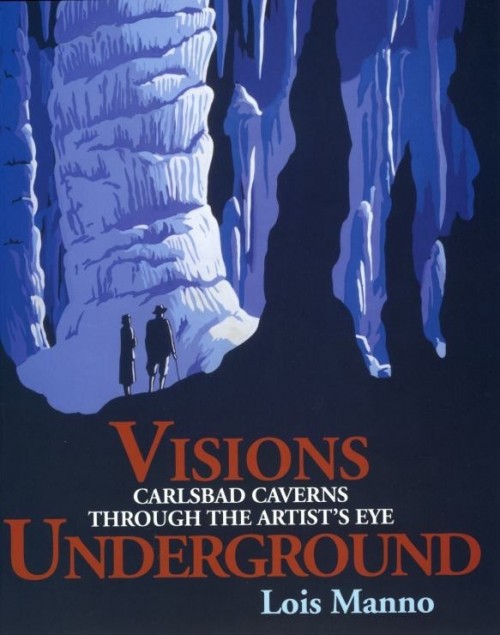
Visions Underground traces the history of the artists and photographers who have explored the awe-inspiring forms and colors in one of the most extensive cavern systems in the world. The book includes images from the first caver/artist to capture the cave's mysteries in oil and canvas, to contemporary, surrealistic, photographs of cave pearls, soda straws, and pristine pools of blue-green water. By Lois Manno, 2009? 178 pages, Softbound.
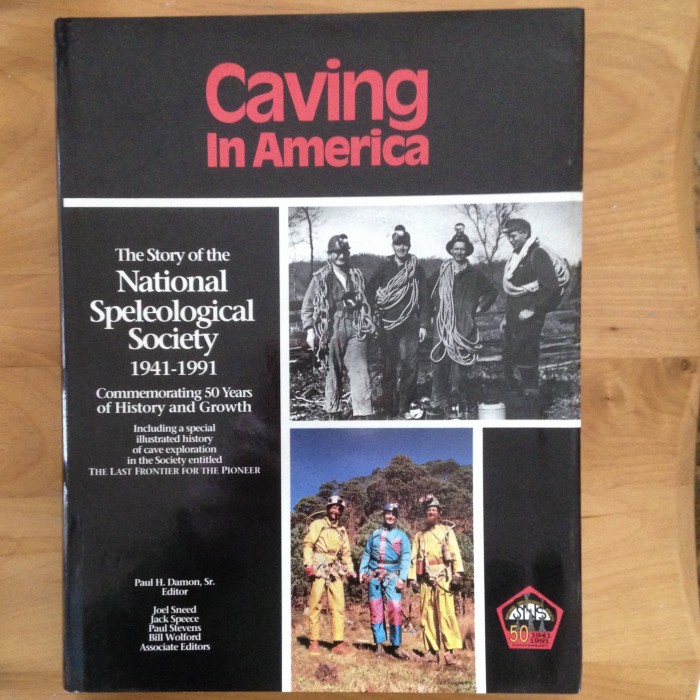
Published in celebration of the NSS' 75th Anniversary, Diamond Jubilee of the National Speleological Society is a hardbound, 291 page, historical book covering highlights from our past 75 years. The publication includes sections on national, regional, and grotto events, in addition to extensive chapters on science and technology, as well as hundreds of historical photos. Edited by Paul Damon, Sr, 2016.
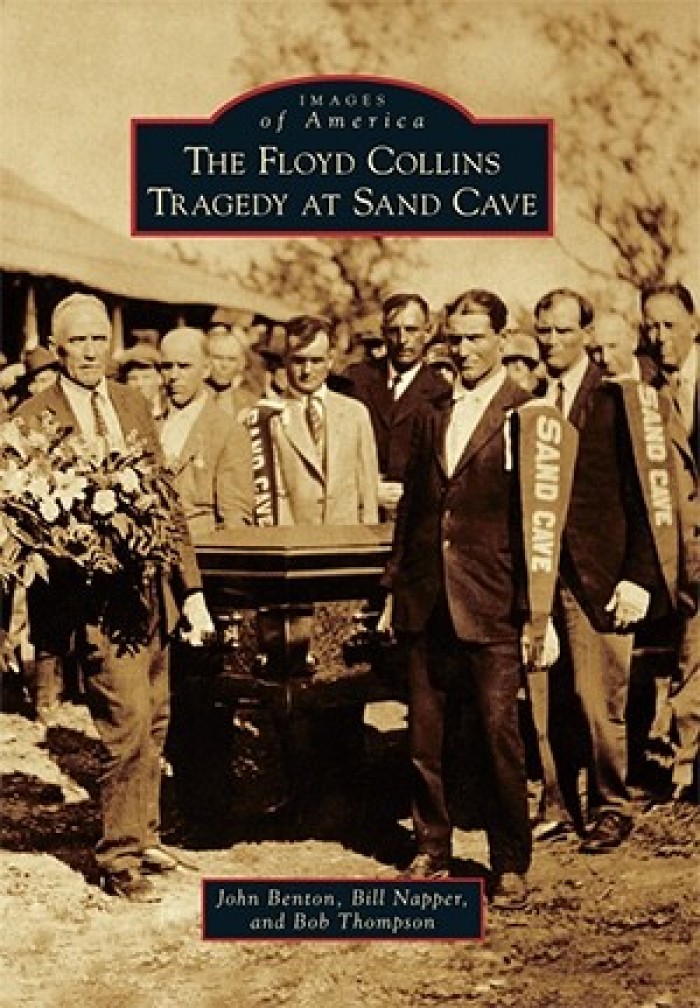
By John Benton, Bill Napper, Bob Thompson. 202 black And white images. 128pp. Sb. Collins was a Kentucky cave explorer who was trapped for more than two weeks during the winter of 1925 in a cave located within the boundaries of what is now Mammoth Cave National Park. Collins had no fear of exploring the most difficult cave passages, and few people could match his persistence and endurance. The story of Floyd Collins becoming trapped, then buried alive, and ultimately dying alone in a cave held a powerful grip on the hearts and minds of people the world over. The resulting media coverage put Mammoth Cave on the map and helped usher the actual designation of Mammoth Cave as a national park.
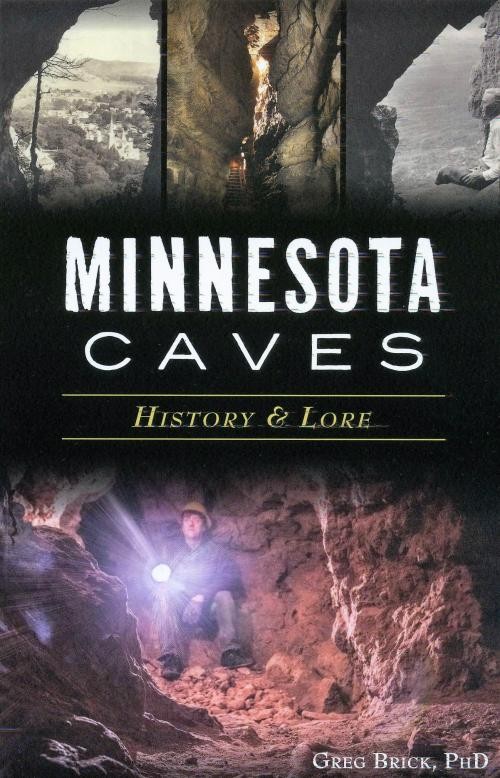
Minnesota's caves have a deep history. Carver's Cave is the first to be described in the literature of North America after explorer Jonathan Carver visited it in 1766. The storied Fountain Cave was the birthplace of the city of St Paul.
Just after the American Civil War, Chute's Cave inspired an elaborate hoax regarding an ancient civilization. Folklore surrounds Petrified Indian Cave, where a strangely shaped stalagmite was mistaken for a person turned to stone. Geologist Greg Brick, PhD, uses decades of research to uncover the secrets of geological wonders. 145PP & BW images.