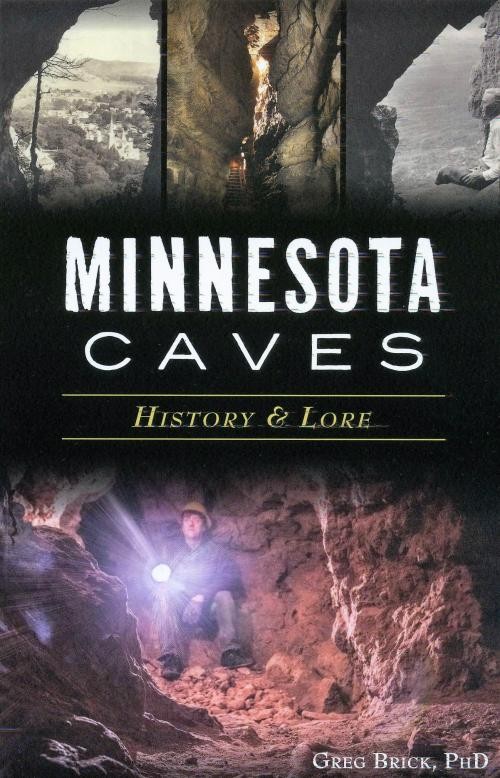
Minnesota's caves have a deep history. Carver's Cave is the first to be described in the literature of North America after explorer Jonathan Carver visited it in 1766. The storied Fountain Cave was the birthplace of the city of St Paul.
Just after the American Civil War, Chute's Cave inspired an elaborate hoax regarding an ancient civilization. Folklore surrounds Petrified Indian Cave, where a strangely shaped stalagmite was mistaken for a person turned to stone. Geologist Greg Brick, PhD, uses decades of research to uncover the secrets of geological wonders. 145PP & BW images.
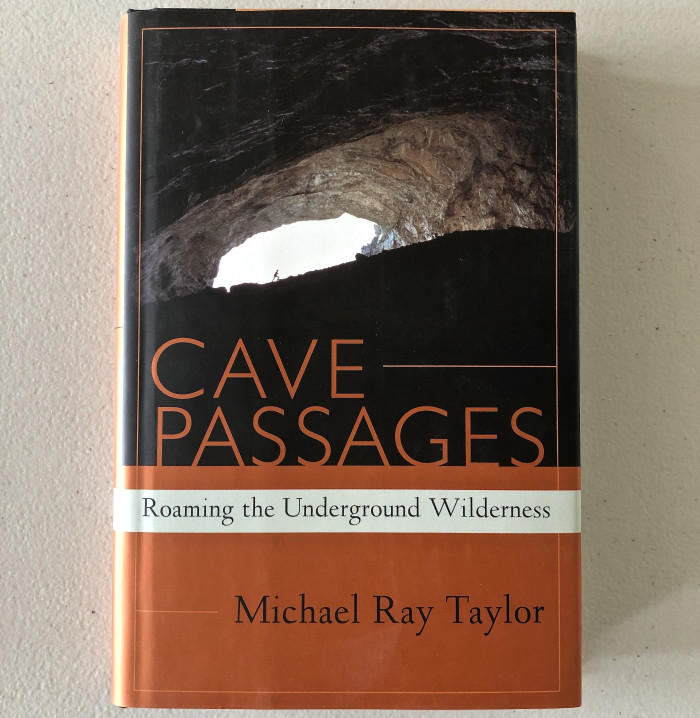
By Michael Ray Taylor. 1996. Hb. 286 pp. From a 1,000-foot-deep sinkhole in Mexico (where a seasoned diver drowned while the author watched in horror) to Wyoming's aptly named Great Crawl of Death, Michael Ray Taylor takes readers to some of the world's deepest and most treacherous caves. And in this thrilling and elegantly written book, he makes it abundantly clear why caving has become an addiction for thousands of enthusiasts.Whether he is inching his way through the dreaded Crisco Crack or holding his nose against the potent fragrance of bats in Jamaica's Cockpits, Taylor is the best guide imaginable. He balances astute scientific reportage with humor -- and he conveys the sport's allure so infectiously that anyone who reads Cave Passages will want to strap on a carbide lamp and clamber down after him.
Radiation, radioactivity, radon: these are words that, since Hiroshima, the Cold War and Three Mile Island, have conjured fear and fascination for many Americans. The danger of radon - a colourless, odourless gas that could seemingly strike any home and afflict its residents with cancer, was brought home in the 1980s when whole neighbourhoods were deemed unsafe due to a perceived threat from radon. But how much of a threat does radon really pose? Is the government's aggressive policy warranted. Indeed, is their a legitimate threat at all? These are the questios Leonard A. Code asks in this provocative and fascinating new book, and his answers are ones that all homeowners will want to understand. In clear, non-technical language, Code dispells many of the myths surrounding radon as he makes recommendations for a coherent reasonable environmental policy towards what is, certainly, a dangerous gas. As he carefully traces the development of the US indoor radon policy, Code illuminates the many scientific uncertainties that lie behind it, exposes the policies of those who stand to gain from radon policy decisions made in Washington, and challenges the EPA's risk-cost assessment of radon levels. Thoughtful and timely, ELEMENT OF RISK illuminates one of the most important public policyissues of our time.
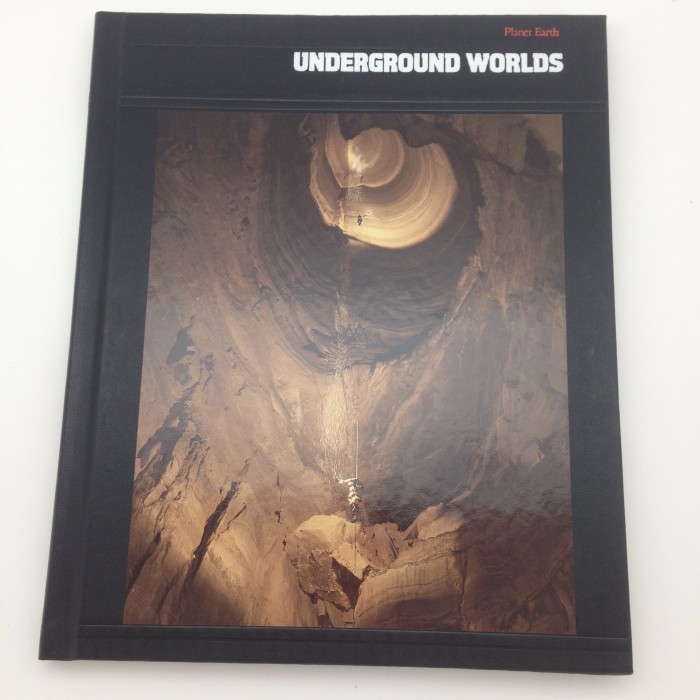
A classic. Shows famous caverns, demonstrates exploring techniques, looks at the animals and insects that inhabit caves, and explains how caves are formed. 176 pages, 1985.